“Shoot less. Feel more…” - Jason M. Peterson embodies a philosophy that threads through his black and white photography: emotion first, technique second. This article synthesizes his approach to editing, light, and the editorial discipline that underpins his iconic images of urban landscapes, architecture, and the human condition.
Foundations: light, emotion, and monochrome purpose
Peterson’s work is almost exclusively monochrome, a choice driven by practicality and artistry. Color-blind since childhood, he rejects the notion of black and white as nostalgia or reduction, instead treating it as a balance of graphic form, light, and emotion. For him, emotion is the first requirement of an image; if he doesn’t feel something while making it, he believes no one else will.
Experience informs method: he notes that “Emotion, for him, is the first requirement of an image; if he doesn’t feel something while making it, he believes no one else will. Music provides the pathway into that state of absorption.” He draws inspiration from traditions in photography while allowing contemporary sensibilities to shape his practice.
Workflow and shooting philosophy: from field to frame
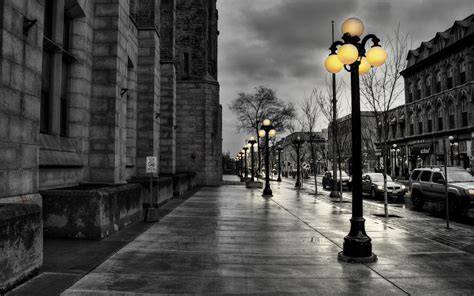
Peterson’s process is instinctive yet disciplined. He shoots with whatever is in his hands-phones, drones, or other gear-driven by an immediate pull toward a structure, a beam of light, or a scene he cannot walk away from. “I go into a mode where I can’t move or think about anything else until I shoot it,” he explains. He emphasizes starting with light when composing in black and white: “When it comes to black and white photography, always start with light.”
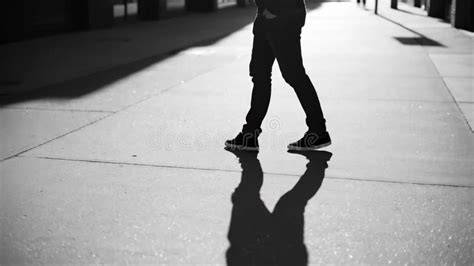
Light-driven composition governs his approach to timing and location. He often sits and waits for a genuine moment to happen in favorable light, recognizing that the photograph’s impact hinges on timing as much as technique. He also champions harsh daylight for high-contrast effects, noting that it reveals dramatic shadows and opens possibilities for a “white on white” series.
Technical craft: exposure, lenses, and digital workflow
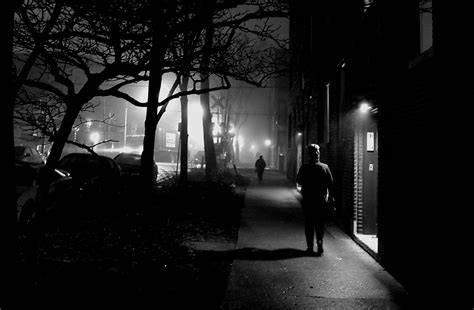
On exposure, Peterson recommends practical steps for both mobile and DSLR/DSLR-like systems. For iPhone users, tapping on the subject and dragging exposure upward can reveal a natural moment in challenging lighting. For DSLRs, a strategy of low ISO (e.g., 50) with a wide aperture and fast shutter helps freeze motion while preserving detail and tonality in the highlights and shadows. He notes that overexposure can render subjects and surroundings as stark white, creating a powerful contrast between person and shadow.
Editing discipline is concise and purposeful. He claims, “I am on a quest to create the perfect image,” yet follows a pragmatic rule: “I only spend up to 5 minutes editing a photo.” This restraint helps prevent over-editing and preserves the image’s original light and emotion. His post-processing starts with sharpening and clarity adjustments, often using Snapseed to push clarity toward 60% in a deliberate, reproducible manner.
Post-production is treated as the final adjustment of intention rather than a cosmetic overlay. He plans what the image should look like long before editing, and he advocates shooting JPG and RAW to align in-camera output with the final vision. He stresses being a careful critic of one’s own work: “The single most important quality of an image is to make you feel something.”

Influences, philosophy, and the human condition in architecture
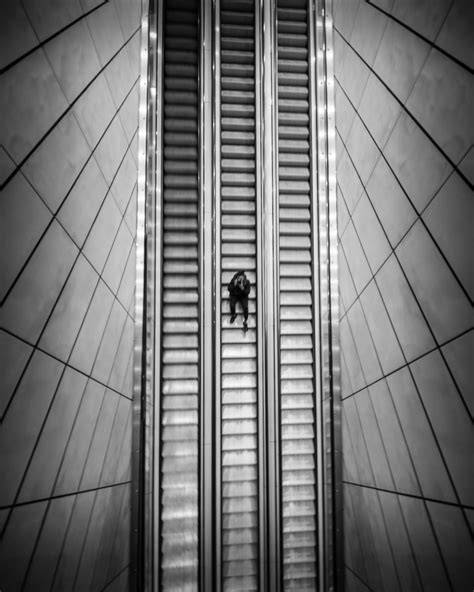
Influenced by Harry Callahan, Hiroshi Sugimoto, and Ray Metzker, Peterson blends the classic elegance of black and white with a distinctly contemporary edge. He describes photography as a study of the human condition against architectural scale, where light becomes a language and the urban landscape a narrative. His iPhone-era practice shows that powerful black and white imagery transcends camera type, relying on light, composition, and a sensitized eye for micro-moments.
Despite a busy career as a creative director and a high-profile advertising background, Peterson maintains a humble, introspective stance toward making photographs. He is frank about the difficulty of perfection and the value of authenticity: “If I don’t love an image, no one else is going to.” This philosophy guides both his personal projects and his guidance to emerging photographers: shoot less, feel more, and be honest with your work.
Practical tips from the photographer’s practice
For aspiring shooters, Peterson emphasizes planning before edit, shooting both JPG and RAW, and using minimal but precise post-processing. He advocates consistency: “Always shoot JPG and RAW. Use the camera JPG settings so your JPG images look close to the final.” He also underscores the importance of patience and attentiveness to light in urban spaces-standing by for moments that reveal human connection within architectural scale.
In daily practice, he recommends: shoot frequently (4-5 frames daily) and critique your own work honestly. He highlights the value of micro-moments, looking for scenes where light reveals authentic human expression, and using harsh daylight to increase contrast for dramatic effects. He also notes practical studio-like habits: keep spare memory cards, plan for weather and sun angles with tracking tools, and maintain a routine mental checklist before shoots.
Influence and presence: the photographer as storyteller
Peterson’s global following - over a million followers on Instagram - underscores the resonance of his monochrome vision and cinematic lighting. His work, whether captured with Leica gear or iPhone, communicates a timelessness that blurs the line between fine art and modern design. He positions photography as a storytelling craft, where light, shadow, and urban geometry converge to reveal the human experience within a cityscape.
His interview-based reflections reveal a consistent message: “Plan what you want your image to look like long before getting to the edit,” and “Shoot less. Feel more.” This ethos informs the way he teaches and mentors: authenticity over perfection, and emotion over technique for its own sake.
Representative quotes and recurring motifs
“Shoot less. Feel more.”
“The independence drew me to photography.”
“Emotion, for him, is the first requirement of an image.”
“I don’t consider myself a photographer, but an Art Director with an iPhone.”
“The single most important quality of an image is to make you feel something.”
Ключевые выводы для практиков
• Моногохромность как инструмент отделения форм, света и эмоций. Light-first, emotion-forward.
• Интуитивный, но целенаправленный подход к съемке: держать фокус на свет и моменте, а не на идеале техники.
• Строгая дисциплина редактирования: максимум 5 минут, минимализм и предсказуемость итогов.
• Важность подготовки, планирования и критического самоанализа, чтобы каждая фотография несла смысл и историю.
- Сосредоточьтесь на свете: ищите световые линии, тени и контраст.
- Снимайте в реальном времени и не перегружайте конечный кадр коррекциями.
- Используйте RAW+JPEG и держите под рукой запас памяти; планируйте постобработку заранее.
- Развивайте чуткость к микромоментам: люди, архитектура, и энергия города.

| Этап | Действие | Инструменты |
|---|---|---|
| 1. Планирование | Определить видение кадра и свет | Свет, городская среда, тайминг |
| 2. Съемка | Выбор камеры, кадр, экспорт | iPhone/DSLR, экспозиция |
| 3. Эdит | Краткосрочная правка, сохранение стиля | Snapseed, RAW/JPG |
| 4. Оценка | Честная критика кадра | Самоанализ, отзывы |
tags: #jason #peterson #photo #editing #techniques