Determining the best time to take collagen can significantly impact its effectiveness for your body. The benefits of taking collagen at night extend beyond convenience. Specifically, evening consumption aligns with your body's natural regenerative processes that occur during sleep. In this article, we'll examine the scientific evidence behind nighttime collagen consumption, explore the ideal dosage and timing for maximum absorption, and compare different collagen types for sleep benefits.
Glycine: The Sleep-promoting Amino Acid in Collagen
Collagen peptides contain high concentrations of glycine, an amino acid that plays several crucial roles in sleep regulation. The sleep-promoting effects of collagen begin with glycine's influence on key neurotransmitters. Glycine helps the body produce serotonin, a hormone and neurotransmitter with significant effects on sleep regulation and mood. Research demonstrates that oral glycine elevates serotonin levels, consequently reducing symptoms of insomnia and improving overall sleep quality. Glycine functions as both an excitatory and inhibitory neurotransmitter in the central nervous system, affecting various aspects of brain function including cognition, mood, and sleep. In the brainstem and spinal cord, glycine acts primarily as an inhibitory neurotransmitter. The activation of glycinergic premotoneurons triggers muscle atonia (relaxation) during REM sleep. Furthermore, glycine works by activating NMDA receptors in the suprachiasmatic nucleus (SCN), the brain's master clock.
One of the most fascinating benefits of taking collagen at night relates to its effect on body temperature. Studies reveal that glycine helps lower core body temperature by increasing blood flow to the body's extremities. Research confirms that glycine triggers this temperature drop, helping people fall asleep more quickly and spend more time in REM sleep. In human studies, 3 g of glycine (equivalent to about 15 g of collagen peptides) taken 1 hour before bedtime reduced daytime sleepiness, shortened sleep onset latency, and improved subjective sleep quality. Recent clinical evidence further supports these mechanisms, with a 2023 study showing that physically active men consuming 15 g of collagen peptides one hour before bedtime experienced significantly fewer awakenings compared to a placebo.
Nighttime Collagen: Evidence for Sleep Quality and Cognitive Function
Recent research provides compelling evidence supporting nighttime collagen supplementation for improved sleep quality and cognitive function. A groundbreaking 2024 study published in the European Journal of Nutrition examined the effects of glycine-rich collagen peptides on sleep quality in physically active men. The results were remarkable. Polysomnography measurements revealed significantly fewer awakenings with collagen peptide supplementation (21.3 ± 9.7) compared to the placebo control (29.3 ± 13.8), demonstrating statistical significance (P = 0.028). Accordingly, the subjective experience matched the objective measurements-participants reported fewer awakenings throughout the seven-day trial period (1.3 ± 1.5 vs. Indeed, this represents the first study demonstrating that collagen peptide supplementation may effectively reduce sleep fragmentation. Apart from sleep quality improvements, the research revealed notable cognitive benefits following nighttime collagen consumption. The proportion of correct responses was substantially higher in the collagen peptide group (1.00 ± 0.00) versus the placebo group (0.97 ± 0.05), with statistical significance (P = 0.009; g = 0.573; 95% CI 0.01 to 0.04).
Nevertheless, current research has several limitations worth noting. First, the sample size in the pivotal 2024 study was relatively small-only 13 participants. The research also revealed that collagen peptide supplementation did not influence all sleep parameters. Despite improvements in sleep fragmentation, there were no significant effects on sleep quantity, latency, or efficiency. Additionally, most studies have been short-term (7 nights in the primary study), raising questions about long-term effects and sustainability of benefits.
Optimal Dosage and Timing for Sleep Benefits
Finding the right balance between dosage and timing is crucial for maximizing collagen's sleep-enhancing effects. The sleep-promoting effects of collagen primarily come from its glycine content. Research indicates that approximately 3 grams of glycine before bedtime can significantly improve sleep quality, reduce the time needed to fall asleep, and decrease daytime fatigue. In fact, studies confirm that consuming 15 grams of collagen-based supplements results in substantially higher plasma concentrations of sleep-supportive amino acids compared to smaller doses. Timing matters significantly when taking collagen for sleep benefits. Based on clinical studies, the optimal window appears to be 30-60 minutes before bedtime. A 2024 randomized, crossover study published in the European Journal of Nutrition explicitly tested this timing. Researchers instructed participants to consume 15 grams of collagen peptides approximately one hour before their scheduled bedtime. The rationale behind this timing involves glycine's effect on core body temperature.
In contrast to morning consumption, taking collagen at night aligns with the body's natural repair processes. When choosing between supplement options, hydrolyzed collagen (collagen peptides) offers distinct advantages over direct glycine supplementation. Proper formulation matters tremendously. Hydrolyzed collagen should be protected from stomach acid but broken down in the intestines by protein-digesting enzymes into smaller particles that can then enter the bloodstream. While direct glycine supplements provide the primary sleep-enhancing amino acid, collagen peptides offer additional benefits-besides glycine, collagen contains proline and hydroxyproline that support connective tissue remodeling. For individuals with sensitive stomachs, taking collagen with meals may improve tolerance without significantly reducing effectiveness.
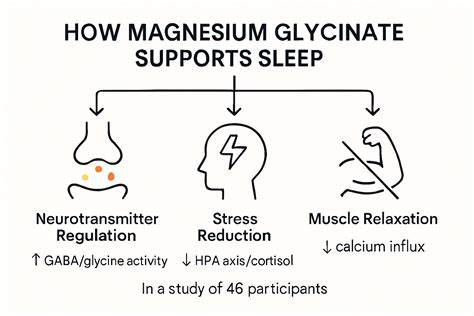
For optimal sleep benefits, prioritize products labeled as "hydrolyzed collagen" or "collagen peptides" to ensure maximum bioavailability. The best time to take collagen for sleep benefits remains 30 minutes before bedtime, regardless of the source chosen. When evaluating sleep supplements, understanding how collagen compares to other natural alternatives helps determine the optimal solution for your needs. Magnesium glycinate combines magnesium with glycine, creating a compound that addresses sleep issues through multiple pathways. Unlike collagen which primarily works through glycine, magnesium glycinate offers dual benefits-glycine's calming effects plus magnesium's muscle-relaxing properties. Both supplements support GABA production, though research suggests magnesium glycinate may be particularly effective for people with anxiety-related sleep disturbances. L-theanine, taurine, saffron, and valerian root are other natural options that can influence sleep through different mechanisms, which may complement collagen's effects.
Choosing the Right Collagen for Nighttime Use
Type I collagen is most abundant in the human body and most extensively tested clinically, making it effective for tissue repair. Products sourced from grass-fed, pasture-raised cattle often provide higher quality bovine collagen. The absence of stimulating ingredients matters as much as what's included-avoid formulations containing caffeine, artificial sweeteners, large amounts of sugar, or energizing vitamins like B12. When selecting collagen for nighttime use, the absence of energizing additives matters as much as what's included. The best time to take collagen for sleep benefits remains 30 minutes before bedtime, regardless of the source. In evaluating collagen supplements for sleep, bovine sources generally offer higher glycine concentrations than marine alternatives, and hydrolyzed forms without energizing additives provide optimal absorption and effectiveness.
Interpreting Side Effects and Safety
Collagen benefits are supported, but there can be side effects and considerations. Collagen is considered safe with very few known side effects. Some individuals may experience digestive issues, allergies, or interactions with medications. People with pre-existing liver or kidney conditions should monitor intake and consult healthcare professionals when starting any supplement. The broader context of fatigue or sleep issues should consider multiple factors beyond collagen, such as dehydration, training intensity, or total caloric intake. For most people, taking collagen at night does not cause daytime sleepiness or impaired alertness, and it can support nighttime recovery without acting as a sedative.
Additional Insights: Real-World Context and Consumer Perspectives
Despite the science, individual experiences vary. Real customer reviews, such as those for Ingenious Collagen+, highlight fewer nighttime awakenings and improved sleep quality for some users. These narratives reflect a broader pattern: collagen can support recovery and sleep when integrated into a balanced lifestyle. Consumers should look for products that emphasize quality, transparency, and absence of energizing additives. When collagen peptides enter the bloodstream, they kickstart the body’s recovery phase, making it easier to fall asleep and stay asleep. If you’ve been struggling with poor sleep, adding collagen could help you enjoy more consistent, uninterrupted rest, leaving you feeling rejuvenated and refreshed in the morning.
Bottom Line on Collagen and Sleep
Scientific evidence indicates that nighttime collagen supplementation-particularly around 30-60 minutes before bed-can improve sleep quality for many people, primarily via glycine-mediated cooling and serotonin/melatonin pathways. While some studies report cognitive benefits and reduced awakenings, limitations such as small sample sizes and short study durations call for cautious interpretation and further research. If your goal is better rest, prioritize hydrolyzed collagen or collagen peptides from reputable sources, avoid energizing additives, and consider pairing collagen with other sleep-supporting strategies as part of a comprehensive approach to recovery.
I Spent a Night in a Sleep Study — Here's What Happened!
Key takeaways: Collagen can support sleep through its glycine content; timing around 30-60 minutes before bed is commonly best; collagen peptides offer bioavailability advantages; choose hydrolyzed collagen without stimulants for nighttime use.