Screen printing is a versatile technique used to create vibrant designs on textiles and other materials. This guide will walk you through the essential equipment, step-by-step process, and advanced techniques for successful screen printing. Whether you’re a beginner or looking to improve your skills, you’ll learn how to choose the right materials, troubleshoot common issues, and achieve professional results. By mastering these techniques, you’ll be able to produce high-quality prints using heat-set inks on various fabrics, expanding your capabilities as a textile printer.
Key concepts and essentials
Screen printing uses stencils and squeegees to transfer ink onto various surfaces. Proper equipment selection and workspace organization are crucial for efficient screen printing operations. Choosing suitable substrates, inks, and emulsions is essential for achieving high-quality prints. Advanced techniques like multi-color printing and special effects inks expand creative possibilities. Continuous learning and staying updated with new techniques are vital for success in screen printing.
Introduction to screen printing and its evolution
Screen printing is a versatile technique that uses a stencil and squeegee to transfer ink onto various surfaces, including clothing. This method has evolved from simple hand-cut stencils to advanced photochemical emulsion processes. Today, screen printing finds widespread applications in textile decoration, commercial advertising, and fine art production, offering durability and vibrant color reproduction. The evolution of screen printing has revolutionized the fashion and advertising industries. Brands now leverage this technique to produce eye-catching graphics on apparel and promotional materials. As technology advances, screen printing continues to refine its processes, offering improved precision and efficiency while maintaining its distinctive aesthetic appeal in the realm of commercial and fine art printing.
Popular applications
Screen printing finds widespread use in the textile industry, where it excels at producing vibrant designs on fabric. The process involves pushing ink through a mesh screen onto garments, resulting in durable prints that withstand multiple washes. Beyond textiles, screen printing applies to various materials, including metal and plastic surfaces. The versatility of screen printing inks allows for application on diverse substrates, making it popular in industrial and commercial settings. From promotional products to vehicle graphics, screen printing’s adaptability continues to expand its applications across different sectors.
Essential equipment for screen printing
Essential equipment for screen printing encompasses screens, inks, emulsions, and various tools. Proper screen selection, understanding ink properties, and mastering emulsion techniques are crucial. Setting up an efficient printing station requires careful consideration of space, lighting, and machinery. From ultraviolet exposure units to glass-top tables, each piece of equipment plays a vital role in producing high-quality prints in a warehouse or studio setting.
Choosing the right screens
Selecting the right screens is crucial for achieving high-quality screen prints. Mesh count, which refers to the number of threads per inch, determines the level of detail and amount of ink deposited. For fine details and halftones, printers often use higher mesh counts, while lower counts are suitable for bold designs and thicker ink deposits. Screen tension also plays a vital role in print quality. Properly tensioned screens ensure consistent ink transfer and image sharpness. Printers must consider the substrate and ink type when choosing screens, as these factors influence the final print’s appearance. The right screen choice can significantly impact the outcome of various printing techniques, from traditional methods used by artists like Andy Warhol to modern digital printing and sublimation processes used in merchandising.
Understanding inks and emulsions
Screen printing inks and emulsions play crucial roles in achieving high-quality prints on various substrates, including posters and polyester fabrics. Inks come in different formulations, such as plastisol and water-based, each offering unique properties like opacity and durability. Printers must select the appropriate ink type based on the substrate material and desired finish to ensure optimal results. Emulsions are light-sensitive coatings applied to screens to create stencils for printing. The exposure process determines the quality of the stencil, affecting the final print’s sharpness and detail. Proper emulsion selection and application are essential for producing crisp designs, especially when printing intricate patterns or text on materials ranging from paper posters to polyester garments.
Must-have tools and accessories
Screen printers require various tools and accessories to produce high-quality prints efficiently. Essential items include squeegees, film positives, and LED lamps for exposing screens. Adhesives secure substrates during printing, while dyes are used for creating custom ink colors. Fine art screen printing demands specialized tools such as registration pins and vacuum tables for precise alignment. Bead-filled blankets help maintain even pressure during printing, ensuring consistent ink transfer across the substrate. These tools, combined with proper technique, enable screen printers to achieve professional results in both commercial and artistic applications.
Workplace setup and workflow
Setting up a functional printing station requires careful consideration of equipment placement and workflow. A well-organized space should include a heat press for applying transfers, a clothes dryer for curing prints, and ample storage for substrates and supplies. Proper ventilation is crucial when working with inks and solvents, ensuring a safe working environment. The layout of a printing station should optimize efficiency and minimize the risk of contamination. Key components to consider include a sturdy workbench for screen preparation, a dedicated area for ink mixing and storage, a washout booth for cleaning screens, an exposure unit for creating stencils, and a printing press suitable for the intended production volume. Arranging these elements logically will streamline the printing process, from initial setup to final product inspection.
Preparing your workspace and safety
Preparing a workspace for screen printing involves organizing materials effectively, ensuring safety, and maintaining cleanliness. This section covers essential steps for setting up an efficient printing area, whether for producing screen printed shirts or using pre-burned screens. Efficient material organization is crucial for screen printing operations, whether producing silk screen t-shirts or screen printed polo shirts. Printers should arrange inks, screens, and substrates in a logical order that follows the printing process, minimizing movement and reducing the risk of errors. This systematic approach enhances productivity and ensures consistent quality in screen prints for shirts. Proper storage solutions, such as labeled shelves and drawers, help maintain order and protect materials from contamination. Implementing a system for tracking inventory and restocking supplies ensures smooth operations and prevents interruptions due to material shortages.
Safety, cleanliness, and maintenance
Safety is paramount in screen printing workspaces, especially when handling chemicals and equipment used in silk screen and discharge printing processes. Proper ventilation systems must be installed to remove fumes from inks and solvents, while personal protective equipment (PPE) such as gloves and safety glasses should be readily available and consistently used. Screen printers must establish clear safety protocols for operating machinery and handling screenprints. Regular maintenance of equipment, proper storage of flammable materials, and designated areas for fabric screen cleaning help prevent accidents. A well-organized safety station with first aid supplies and emergency procedures ensures quick response to potential incidents. Maintaining a clean environment is crucial for successful serigraphy and advanced screen printing techniques. Printers should establish a regular cleaning schedule for all equipment, including screens, squeegees, and work surfaces. This practice prevents ink contamination and ensures consistent print quality across production runs. Proper disposal of waste materials and prompt cleanup of spills are essential for workplace safety and environmental responsibility.
Choosing materials for quality results
This section covers choosing suitable substrates, exploring different ink types, and picking appropriate emulsions. Understanding these elements ensures optimal print quality and durability across various applications, from textile printing to fine art reproduction.
Substrates
Selecting suitable substrates is crucial for achieving high-quality screen prints. Printers must consider factors such as material composition, surface texture, and ink absorption properties when choosing substrates. Common options include cotton and polyester fabrics for apparel, paper and cardstock for posters, and plastics for signage. The substrate’s compatibility with the chosen ink type significantly impacts print durability and vibrancy. Printers should test different substrate-ink combinations to determine optimal results for each project. Consideration of the end-use environment, such as exposure to sunlight or frequent washing, also plays a role in substrate selection.
Ink types
Screen printing utilizes various ink types, each with unique properties suited for different applications. Plastisol inks, known for their durability and vibrant colors, remain popular for textile printing. Water-based inks offer a softer feel and eco-friendly benefits, making them ideal for fashion-forward designs and environmentally conscious printing. Specialty inks expand the possibilities of screen printing, allowing printers to create unique effects. Discharge inks remove existing dye from fabrics, while metallic and glitter inks add visual interest to designs. Understanding the characteristics of each ink type enables printers to select the most appropriate option for their specific project requirements.
Emulsions
Picking the appropriate emulsion is crucial for creating high-quality stencils in screen printing. Printers must consider factors such as exposure time, mesh count, and the type of ink they plan to use. Dual-cure emulsions offer versatility and durability, making them suitable for various printing applications. The thickness of the emulsion coating affects print quality and stencil durability. Thicker coatings provide better ink deposits but may require longer exposure times, while thinner coatings are ideal for detailed designs. Printers should experiment with different emulsion types and coating techniques to achieve optimal results for their specific projects.
Step-by-step screen printing process
The screen printing process involves several key steps: creating design artwork, coating and exposing screens, printing onto substrates, and drying and curing the printed material. Each stage requires specific techniques and attention to detail to ensure high-quality results.
Design artwork
Creating design artwork for screen printing begins with developing a concept that translates well to the medium. Designers must consider factors such as color separation, line thickness, and detail level to ensure the artwork translates accurately to a stencil and ink deposition. Discharge printing, CMYK processes, and specialty inks can influence how the final design is separated and printed. The expertise to manage layers, transparencies, and color relationships is essential for achieving soft, vibrant, and durable results.
Coating, exposure, and stencil creation
Coating screens with emulsion, exposing through a negative or positive film, and washing out the stencil are critical stages. The exposure time and emulsion choice affect stencil sharpness and durability, particularly for intricate details or fine text. Proper washing and drying of screens before printing prevent defects and contamination.
Printing and curing
Printing onto substrates involves aligning the stencil with the garment or substrate and applying ink through the screen using a squeegee. When using discharge inks, activation powder reactions, mesh counts, and curing considerations come into play to ensure consistent color and softness. Completion of the print involves drying and curing the ink to achieve durability through washing and wearing. Curing requires achieving the appropriate temperature throughout the ink layer, not just on the surface, to prevent cracking, fading, or peeling after laundering.
Drying, curing, and quality control
Timelines for drying and curing vary by ink type, substrate, and equipment. Surface dry is not sufficient; curing must reach the full depth of the ink layer. Plastisol, which contains little solvent, requires proper heat to fully cure and should not air-dry. Water-based inks have different temperature and moisture requirements and may require longer dwell times or forced-air convection. Tools like laser thermometers can help verify cure temperatures. A stretch test on cooled prints helps confirm proper cure. For water-based inks, open-air drying is slower and requires maintaining heat and humidity control. In-process testing and post-production wash testing verify durability and color integrity across multiple launderings.
Discharge inks, when properly used, produce soft-hand prints on 100% cotton garments and can be combined with standard inks for brighter outcomes. However, discharge performance can vary with fabric blends and over-dying techniques used by manufacturers. A well-planned workflow with appropriate curing equipment, such as infrared conveyor dryers or IR lamps, ensures reliable results across production volumes. The ink’s pot life, temperature targets, and environmental conditions should be considered to avoid premature drying or incomplete cures. Build curing practices into routine shop operations and verify results with practical tests like stretch and wash assessments.
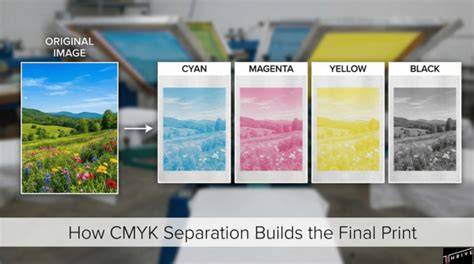
Screen Printing CMYK Process
Overall, properly cured plastisol prints are exceptionally durable and can outlast the garment itself, while water-based prints require careful temperature and moisture management to avoid washout. DTF transfers may offer durability, but screen-printed results with CMYK inks continue to provide vibrant, lasting color with suitable care. Pairing a laser thermometer with a moisture-aware curing process helps ensure consistency across production runs.