When you contact us, our representative will guide you as to how many DaVinci Select Shake tiles you will need to cover your roofing project. The minimum tile exposure for a roof utilising the straight tile effect is 9″ (230mm), and the minimum tile exposure for a roof utilising the staggered tile effect is 10″ (254mm). Note that the exposure on DaVinci Select Shake has to be manually set, there is no embossed “gauge” present on the tile like our TapcoSlate Classic product.
A square metre is a metric measurement of area. If the area involved in your roofing project is square or a rectangular, measure the length and width of the area, using a metric tape measure or a meter stick. Multiply the length, in metres, times the width, in metres. If the area involved is not square or rectangular, sketch the area to scale on a piece of graph paper. You can make sure that it is to scale by allowing each division on the grid to equal a certain number of metres. Break up the sketch into rectangles, squares, triangles, and even circles, if necessary. Apply the appropriate metre-based formulas to each shape on the graph to determine the area of each shape in square metres. Multiply length times width for squares and rectangles. Multiply base times height and divide by two for triangles.
If your roof is 160 square metres (as above), you will fit 20 DaVinci Select Shake tiles to every square metre but calculated out at 1 bundle (22 tiles) per square meter to include 10% wastage. Please note that you will also need a starter or eaves course. DaVinci Select Shake Ridge & Hip Caps are universal use, to fit up to a maximum 45 degree pitch. Exposure of each cap to measure no less than 12″ (305mm), which calculates to a minimum 3.3 Caps per linear metre of ridge or hips. Please Note: The details on this page are for guidance only, and Westlake Tapco Europe Limited will not be held responsible for any incorrect measurements undertaken by you or your architect or roofing contractor.
A roof in the Puget Sound has a tough job. It faces constant rain, wind, and the potential for moss and algae growth, which can take a toll on traditional materials like wood and asphalt. DaVinci Roofscapes were engineered to solve these exact problems. Their composite construction resists moisture, impact, and fading, offering a durable solution that stands up to our climate for decades. This level of performance, however, comes with a different price point. Understanding the DaVinci roof cost means recognizing you’re paying for long-term peace of mind and freedom from constant repairs. Get the look of slate or cedar with modern performance: DaVinci roofing uses an advanced composite material to replicate the beauty of natural materials. Focus on long-term value over initial price: While a DaVinci roof costs between $15 and $20 per square foot, its 50-year lifespan provides significant savings over time.
A professional installation is key to a successful project: The final cost of your roof depends on factors like its complexity, pitch, and the condition of the underlying structure. If you love the timeless look of natural slate or cedar shake but worry about the maintenance and fragility, you’re in the right place. DaVinci Roofscapes offer a modern solution, giving you that classic, high-end aesthetic without the traditional headaches.
DaVinci tiles are crafted from a unique blend of polymers and resins. This composite construction makes them incredibly durable and lightweight, yet they capture the subtle textures and color variations of real slate and wood. While they are considered a premium option with a higher upfront cost, homeowners often find the long-term value compelling. You get a roof that not only looks stunning but also stands up to the harsh Pacific Northwest weather, making it a smart investment in your home’s protection and curb appeal.
So, what exactly makes DaVinci tiles so special? It all comes down to the advanced technology. Each tile is made from a carefully engineered composite material, a mix of virgin resins, UV stabilizers, and inorganic pigments. This isn’t just plastic; it’s a sophisticated formula designed for maximum longevity and resilience. The manufacturing process ensures that the color is infused throughout the entire tile, not just coated on the surface. This means you’ll never have to worry about the color chipping, peeling, or fading away over time.
One of the best parts about choosing DaVinci is the incredible range of design possibilities. You aren’t limited to just one or two looks. DaVinci offers a wide spectrum of colors, from subtle earth tones to bold, multi-width blends that mimic the natural variations of a slate or cedar roof. You can select from different tile profiles to perfectly match your home’s architectural style, whether it’s a historic Tudor or a modern craftsman. This level of customization allows you to create a truly unique look that enhances your home’s character.
When you’re considering a premium roof like DaVinci, the first question is usually about the price. It’s helpful to think of the cost in terms of square footage, as this is how most roofing projects are quoted. While DaVinci roofing is an investment in your home’s longevity and curb appeal, understanding the numbers helps you plan your budget effectively. The final price depends on the specific product you choose and several other factors we’ll cover later. Generally, you can expect a DaVinci roof to cost between $15 and $20 per square foot for materials and installation. Some product lines might fall closer to the $10 to $18 range, but for planning purposes, the higher estimate is a safer bet. To put that into perspective, a new DaVinci roof on a typical 3,000-square-foot home could land somewhere between $45,000 and $60,000.
This is a broad estimate, of course, and your home’s specific needs will determine the final figure. The price per square foot isn’t just for the shingles themselves. It also covers essential components like underlayment, flashing, and the specialized labor required for a flawless installation. DaVinci offers several product lines, which allows for some flexibility in pricing. For instance, their Bellaforté line is designed to be more budget-friendly without sacrificing quality. Opting for custom color blends or more intricate slate and shake profiles will place you at the higher end of the price spectrum.
When you’re planning a new roof, the price of the shingles is just one piece of the puzzle. Several other factors play a significant role in determining the final cost of your DaVinci roof installation. Think of it like this: every home is unique, and so is every roofing project. Understanding these variables helps you see the full picture and appreciate what goes into a detailed, accurate quote. It’s not just about materials; it’s about the labor, preparation, and specific requirements of your home. These elements include the complexity of your roof’s architecture, the condition of the structure underneath your old shingles, and even local building codes. Getting a precise estimate requires a professional assessment, but knowing the key cost factors ahead of time empowers you to ask the right questions.
Not all roofs are created equal. A simple, single-plane gable roof is far more straightforward to work on than one with multiple angles, valleys, dormers, and skylights. Each of these features adds complexity to the installation process. Since DaVinci shingles are individual tiles that don’t bend, installers must carefully cut and place them around every angle and obstruction. This meticulous work requires more time, skill, and materials, which naturally increases the cost. A steep pitch also makes the job more challenging and time-consuming for the crew, impacting the final price.
Installing a DaVinci roof is a craft that demands precision and expertise. Each composite shingle is installed one by one, a process that is much more detailed than laying asphalt shingles. This requires a highly skilled and experienced crew, and specialized labor comes at a premium. Beyond the roof itself, the accessibility of your property matters. If your home is surrounded by delicate landscaping, fences, or other structures that make it difficult to position equipment and ladders, the crew will need to spend extra time and effort working around these obstacles.
Before your beautiful new DaVinci roof can be installed, the old one has to go. The process of tearing off and disposing of your existing roofing materials is a key part of the total cost. If your roof has multiple layers of old shingles, the removal process will be more labor-intensive and will generate more debris, increasing both labor and disposal fees. Once the old roof is off, there’s always a chance of uncovering hidden issues, like water damage or rotted decking. Where you live plays a role in your roofing costs. Labor rates can vary significantly depending on the region, and the Puget Sound area has its own market standards. Additionally, every city and county, from Redmond to Bellevue, has specific building codes and permit requirements that must be followed. Securing the necessary permits adds a fee to your project total.
Choosing a roofing material is a big decision, and it often comes down to balancing aesthetics, performance, and cost. DaVinci Roofscapes masterfully mimics the look of classic materials like slate and cedar, but how does it really stack up against them? When you compare DaVinci to traditional options, you start to see how its modern engineering provides a unique blend of beauty and resilience. It’s designed to handle the specific challenges of a Pacific Northwest climate, from constant moisture to wind and debris, without demanding the intense upkeep of its natural counterparts.
DaVinci vs. Natural slate is the definition of a luxury roof, offering timeless beauty and incredible durability. However, that premium quality comes with a very high price tag and significant weight, which can require structural reinforcement for your home. DaVinci Slate gives you that same elegant, chiseled look without the drawbacks. It’s often 20% to 30% less expensive than natural slate, making a high-end aesthetic more accessible. Plus, its lightweight composite material is easier and faster to install, which can further reduce labor costs.
DaVinci vs. The rustic charm of a cedar shake roof is hard to beat, but natural wood requires constant upkeep to fend off rot, moss, and pests. DaVinci’s composite shake offers a compelling alternative. While the initial cost can be similar to natural cedar, DaVinci provides far greater long-term value. It’s engineered to resist the moisture and decay that plague wood shingles, so you won’t have to worry about ongoing maintenance or premature replacement.
DaVinci vs. Asphalt shingles are the most common roofing material primarily because of their low upfront cost. However, this is a classic case of getting what you pay for. A typical asphalt roof lasts about 15 to 25 years, whereas a DaVinci roof is designed to last 50 years or more. While DaVinci costs more initially, you could easily pay to replace an asphalt roof two or three times during the lifespan of a single DaVinci installation.
When you’re considering a premium material like DaVinci, the final price tag is always a key question. While the initial investment is higher than for standard asphalt shingles, the total cost reflects a long-term value that includes incredible durability, minimal maintenance, and timeless style. The final price for your project will depend on factors like your roof’s size, complexity, and the specific DaVinci product you choose. So, what does a DaVinci roof actually cost? Generally, you can expect the price to fall between $15 to $20 per square foot for a complete installation. For a typical 3,000-square-foot home with a straightforward roof design, this puts the total project cost in the range of $45,000 to $60,000. Of course, this is a ballpark estimate. The best way to get a precise figure for your home is to use a roofing cost calculator or get a detailed quote that accounts for your unique property.
It’s easy to assume that “luxury” means “un affordable,” but that’s not the whole story with DaVinci. One of the biggest myths is that it’s as expensive as the natural materials it mimics. In reality, a DaVinci roof is often 20-30% less expensive than natural slate or cedar shake. While it does cost more upfront than a standard asphalt roof, it provides far greater value over its lifespan. When you see the initial price tag for a DaVinci roof, it’s natural to wonder if it’s worth the cost. While the upfront expense is higher than for materials like asphalt, thinking of it as a long-term investment in your home’s protection and value paints a clearer picture. Unlike traditional materials that require frequent repairs and eventual replacement, DaVinci’s composite tiles are engineered to withstand the elements for decades. This means you spend less time and money on upkeep and more time simply enjoying your beautiful, secure home. When you factor in the longevity and the savings on maintenance, the initial cost starts to look much more reasonable. It’s a choice that offers peace of mind, knowing your home is protected by one of the most resilient and attractive roofing systems available.
One of the most compelling reasons to choose a DaVinci roof is its incredible lifespan. These composite roofs are built to last 40 to 50 years or even longer, which is significantly more than the 20 to 30 years you might get from natural cedar shake. In the damp Puget Sound climate, materials like wood are susceptible to rot, cracks, and weather damage. DaVinci’s advanced composite tiles are specifically designed to eliminate these risks. They won’t curl or split, and they stand up to harsh sun, heavy rain, and wind without breaking down. A key benefit of a DaVinci roof is how little maintenance it requires. Natural materials often need regular treatments, repairs, and cleaning to keep them in good shape. In contrast, DaVinci’s composite slate and shake tiles are engineered to resist common issues like mold, algae, and insect infestations. They also hold their color exceptionally well, so you won’t have to worry about fading over time.
While the initial cost is higher than for standard asphalt shingles, you’ll find that a DaVinci roof provides much better value in the long run because you won’t be spending money on constant upkeep. A new DaVinci roof does more than just protect your home; it enhances its value. Because the composite tiles are lightweight, they can often be installed on homes that couldn’t support the heavy weight of natural slate without costly structural reinforcement. This makes high-end style accessible to more homeowners. Furthermore, a beautiful, long-lasting roof is a major selling point if you ever decide to move.
Choosing a certified contractor for your residential roofing project ensures the installation is done right, which is essential for validating the warranty and maximizing the return on your investment. A new DaVinci roof is a major upgrade for your home, and like any significant project, a little planning goes a long way. The two most important parts of this process are finding the right team for the job and getting a clear picture of the total cost and schedule. When you’re ready to move forward, focus on getting a detailed quote from an experienced professional. This ensures there are no surprises down the road. You’ll also want to consider the full scope of the project, from removing the old roof to the final cleanup, and how that fits into your budget and timeline. A well-planned project is a smooth project, and it starts with asking the right questions and working with a contractor you trust.
When investing in a premium product like DaVinci, the quality of the installation is just as important as the material itself. That’s why it’s essential to choose a contractor who is certified by DaVinci. Look for a contractor who provides a detailed, transparent quote that breaks down every cost, from materials and labor to permits and debris removal. An experienced team will have a deep understanding of synthetic roofing systems and can answer all your questions. The final cost of your DaVinci roof depends on more than just the shingles. Several factors influence the price, including labor costs, your roof’s size and pitch, and its overall complexity. Things like chimneys, skylights, and unique architectural features can add to the installation time.
A DaVinci roof is a fantastic long-term investment, especially if you plan to stay in your home for many years. The high upfront cost is balanced by incredible durability and minimal upkeep. It’s no wonder people are drawn to the timeless good looks of slate tile and cedar shake. The allure is unmistakable. Engineered to look better, longer. DaVinci tiles are made of pure virgin resins fortified with state-of-the-art UV stabilizers for the greatest degree of color control and consistency. Across residential neighborhoods and commercial rooftops, our customers share a common story-lasting beauty, proven performance, and peace of mind. Real Homes. We're Ready to Help. A DaVinci Project Specialist will answer any questions you have.
The following tools estimate the area of a roof, as well as the amount of materials necessary to construct a roof of a given area. The calculated area is only an estimation. In cases where a roof has a complex shape, such as in the image to the right, measuring the dimensions and areas of each part of the roof to calculate the total area will result in a more accurate measurement of area. The calculator cannot account for complex shapes based on a measurement of square footage alone. The Area Calculator can be used to calculate the area of a variety of simple shapes that together can comprise the area of the roof. The most common roofing materials used in the United States include shingles, membrane roofing, and ceramic tile, all of which have different life spans. Shingle roofs typically have a life span of 15-30 years, while membrane roofs usually last 5-15 years. Roof pitch is the measurement of a roof's vertical rise divided by its horizontal run. It is often compared to slope, but is not exactly the same. In the United States, a run of 12 inches (1 foot) is used, and pitch is measured as the rise of the roof over 12 inches. For instance, a 7/12 roof pitch means that the roof rises 7 inches for every 12 horizontal inches. Roof pitch is a determining factor for the cost of the roof, as well as the roof area, and the type of materials used. Roof pitch affects the actual area of the roof. Depending on whether the roof area is measured horizontally (possibly from a drawing or photograph), a correction factor is necessary to determine the actual area of the roof. Given pitch and a horizontal area measurement, multiply the horizontal area by a correction factor corresponding to pitch, provided in the table below, to determine the actual area of the roof to be used in the Roofing Material Calculator. While it is possible to estimate the amount of necessary materials using only the total roof area measurement, as can be seen from the table, depending on how large the pitch of the roof, the actual area of the roof can differ by up to 2.236 from the measured total area at a pitch of 24/12. If you're considering a DaVinci slate roof, DaVinci shake, or any premium synthetic roofing material, this article will help you understand pricing, value, pros and cons, and how DaVinci compares to natural roofing options like cedar shake and natural slate tiles.
Why it’s worth reading: We combine data from roofing experts, manufacturer insights, and homeowner experiences to give you a trustworthy, comprehensive guide to DaVinci roofscapes and the real costs behind the beauty of synthetic slate and shake tiles. Learn how DaVinci roof cost compares to traditional options and what makes it worth the investment.
What Is a DaVinci Roof and Why Is It So Popular? A DaVinci roof is a premium synthetic roofing system made by DaVinci Roofscapes, offering the look of natural slate and cedar shake without the traditional downsides. Each DaVinci tile is constructed of a composite material made of virgin resins, engineered for long-term performance. Why homeowners love it: Mimics the beauty of natural slate, Lightweight roof system, Resistant to extreme weather, including high winds, Made in the USA with fire retardant and Class 4 impact rating. These roofing products combine natural aesthetics with cutting-edge technology, making them a choice for homeowners who want lasting curb appeal.
How Much Does a DaVinci Roof Cost Per Square Foot? Most DaVinci roof costs range from $10 to $18 per square foot installed, with premium slate and shake styles reaching up to $20 per square foot depending on complexity and region. To put it in perspective: DaVinci Shake: ~$12-$16/sq ft installed; DaVinci Slate Roof: ~$15-$20/sq ft installed; Natural slate roof: Often $25-$40/sq ft; Asphalt shingles: $4-$8/sq ft. Note: DaVinci pricing includes high-performance features like UV and thermal stabilizers.
What Factors Influence the Overall Cost of a DaVinci Roof? Several variables can affect your total roof cost, including roof size and slope, roof tile choice (Shake vs. Slate vs. multi-width vs. single-width), tear-off and disposal of old roofing material, and underlayment type. A DaVinci roof is a premium product that combines aesthetics with durability, so planning for these variables helps you get accurate quotes.
Is a DaVinci Slate Roof More Expensive than Real Slate? Surprisingly, DaVinci slate roofs are less expensive than real slate tiles when factoring in lower installation costs (lightweight and easier to handle), fewer structural reinforcements needed, minimal breakage during installation, and longer warranty coverage. While a real slate roof can reach $30-$40 per square foot installed, DaVinci’s synthetic slate can deliver similar aesthetics at roughly half the cost.
Durability, Maintenance, and Lifespan DaVinci outperforms cedar in durability, fire safety, and maintenance - all without sacrificing visual charm. DaVinci tiles resist mold, algae, insects, fading, and deformation, delivering a long-lasting, low-maintenance solution. In the damp Puget Sound climate, these attributes translate to reliability and peace of mind.
A key benefit of a DaVinci roof is its incredible lifespan. These composite roofs are built to last 40 to 50 years or longer, significantly more than natural cedar shake. They won’t curl or split, and they stand up to harsh sun, heavy rain, and wind without breaking down. The class-leading warranties (50 years limited) reflect this longevity. Their color stability is reinforced by UV and thermal stabilizers, ensuring long-term color retention.
Premium installation matters. Choosing a certified contractor ensures warranty compliance and optimal underlayment, flashing, and sealing. You’ll want a detailed, transparent quote that breaks down every cost, from materials to permits and debris removal. An experienced team will have a deep understanding of synthetic roofing systems and can answer all questions.
Project planning steps: start with a detailed quote, consider the full scope from old roof removal to final cleanup, and ensure alignment with budget and timeline. A well-planned project reduces surprises and supports a smooth installation.
Video and calculators can help you compare options and plan. A DaVinci Project Specialist will answer questions. The Area Calculator and framing calculators assist with estimating area, material needs, and structural considerations, though they provide estimates and may not account for complex roof shapes.
DaVinci continues to offer design flexibility. Across residential neighborhoods and commercial rooftops, customers seek lasting beauty, proven performance, and peace of mind. Engineered to look better, longer, DaVinci tiles are made of pure virgin resins with UV stabilizers for color control and consistency.
How Expensive Are DaVinci Roofs? | Green Attic Roofing
Is DaVinci right for you? If you value a look of slate or cedar shake with modern performance, and you are prepared for a premium installation, DaVinci roofing presents a compelling long-term investment. It combines aesthetics with durability, reduced maintenance, and a transferable warranty, making it suitable for homeowners seeking value over time.
Practical Considerations for Using DaVinci in Your Project
Exposure guidelines, gauge considerations, and installation practices are essential for accurate planning. For instance, DaVinci Select Shake requires manual exposure settings, and a starter or eaves course is needed. Ridge and hip caps have a minimum exposure and pitch tolerance. Proper measurement of area and shapes ensures correct material quantities and waste allowances.
When planning color and profile decisions, DaVinci offers a broad palette and multiple tile profiles to match architectural style, from historic Tudors to modern craftsman. The variety supports design accuracy while maintaining performance advantages over natural materials.
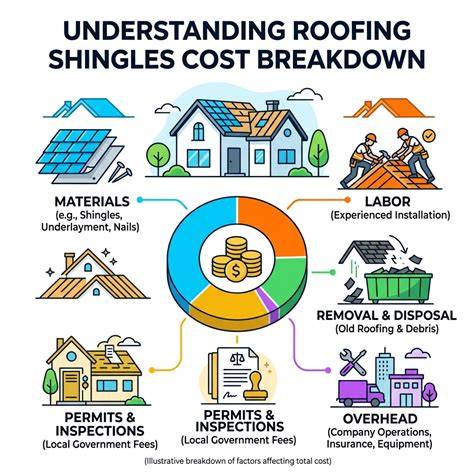
For cost planning, factor in not only shingles but also underlayment, flashing, permits, debris removal, and potential structural reinforcement if needed. Local labor rates and permit requirements influence the final quote, so consult regional roofing professionals for the most accurate numbers.
In the end, DaVinci provides a premium solution that blends the beauty of slate and cedar with modern, durable performance. The decision to invest should weigh long-term value, maintenance reductions, and the enhanced curb appeal against upfront costs and project complexity.
tags: #davinci #roof #calculator