Collagen is a protein responsible for healthy joints and skin elasticity or stretchiness. It's in your bones, muscles, and blood, making up three-quarters of your skin and one-third of the protein in your body. Your body makes it naturally by combining amino acids, the building blocks of proteins found in food. To produce collagen, your body needs: Proline, glycine, vitamin C, zinc, and copper. Proline is found in egg whites, dairy, cabbage, mushrooms, and asparagus; glycine in pork skin, chicken skin, and gelatin and a variety of other protein-rich foods; vitamin C in citrus fruits and bell peppers; zinc in beef, lamb, pork, shellfish, chickpeas, lentils, beans, milk, cheese, and various nuts and seeds; copper in organ meats, cocoa powder, cashews, sesame seeds, and lentils.
As you age, your existing collagen breaks down, and it gets harder for your body to make more. So, many people turn to collagen powder or other types of collagen supplements, such as capsules, gummies, and liquids. Collagen provides your body with strength, structure, and support. As you age, it's harder to keep up your natural collagen levels, particularly after menopause, because over time your body increasingly struggles to absorb enough of the nutrients it needs to make collagen. However, eating collagen-rich foods can help your body overcome some of this absorption problem, which helps keep your body stronger and healthier as you get older.
Collagen also helps with several physiological functions: it helps your blood clot, helps replace dead skin cells, creates a protective cover for your organs, and allows new skin cells to grow. Your body contains many types of collagen, with scientists identifying 29 varieties, including five main types: Type I (strength to skin, bones, ligaments, tendons), Type II (flexible cartilage for joints), Type III (internal organs, blood vessels, muscles), Type IV (some layers of skin), and Type V (corneas and some layers of skin and hair).
Collagen supplements
Most collagen supplements contain types I, II, and III, which account for most of the collagen found in your body. They contain a digestible form of collagen called collagen peptides or hydrolyzed collagen, and these supplements are made from tissues of cows, pigs, chickens, or fish. You can also buy vegan collagen powder made of bacteria and yeast, but scientists don't know whether they have the same possible benefits as collagen from animal sources.
Collagen peptides
Because collagen can't be absorbed in its whole form, it must be broken down into smaller amino acids or peptides. Collagen peptides are tiny pieces of animal collagen and are what’s in collagen supplements; they can come in pills or powders. When you buy collagen, it will be sold as collagen peptides or hydrolyzed collagen. Collagen peptides are absorbed through your gastrointestinal tract.
Collagen powder
Collagen powder has the same active ingredients as collagen capsules and gummies, but dosages vary by form. Some people find it easier to add collagen powder to drinks or foods than swallowing capsules, and you may want to avoid the added sugar found in gummies.
Collagen liquid
You can also buy premade collagen drinks or packets of collagen to mix into beverages. There are various flavors and types, with many including other beneficial ingredients. Fourteen grams of collagen peptide powder contains: Calories 50, Protein 12 g, Fat 0 g, Carbohydrates 0 g, Fiber 0 g, Sugar 0 g; it also contains 29 mg calcium, 44.9 mg sodium, and 0.98 mg potassium. If you take collagen supplements, they can count toward your daily protein needs-up to a point. Collagen has eight of the nine essential amino acids your body needs to make protein, with tryptophan being the missing one, which is found in dairy, meats, seafood, tofu, nuts, and grains. Research shows most people can get a third of their daily protein from collagen and still obtain all essential amino acids.
Health benefits and evidence
Collagen is essential for maintaining good health and is involved in healing, organ development, metabolism, and cell growth. While there is reasonable evidence that collagen helps maintain hydrated skin and relieve osteoarthritis pain, more studies are needed into less well-understood benefits such as lowering blood pressure and blood sugar levels. Commonly cited potential benefits include: stronger bones (bone density may increase with daily collagen powder), improved skin elasticity and hydration (older people may experience improvements), thicker hair and healthier nails (some studies report improvements), reduced osteoarthritis pain (joint pain relief may occur after 3-5 months of daily treatment), increased muscle mass (some studies show greater gains with collagen during resistance training), and improved heart health (collagen supports the structure of arteries and vessels).
Safety and regulation
Keep in mind that dietary supplements, including collagen, are not tightly regulated by the FDA. Side effects are rare but can include a feeling of fullness, heartburn, or bad taste. Supplements may contain contaminants or vary from what the label states. Always buy from reputable sources and look for third-party testing marks like USP Verified. If you are pregnant or breastfeeding, consult a clinician before use. The effects of collagen supplements continue to be researched, and they are not a magic bullet or a substitute for healthy habits. You can support collagen production naturally by consuming glycine- and proline-rich foods and foods high in vitamin C, zinc, and copper.
Natural dietary strategies to boost collagen production
- Bone broth and fish with skin on are excellent dietary sources of collagen from food.
- Chicken, especially connective tissue-rich parts like feet, and red meats high in connective tissue can contribute collagen.
- Fruits and vegetables rich in vitamin C support collagen synthesis; vegetarians and vegans should focus on vitamin C-rich foods to encourage collagen production.
- Aloe vera in low doses may support skin barrier function and elasticity with some evidence.
- Other high-protein foods like eggs, dairy, and beans help supply amino acids for collagen synthesis.
Research on weight loss specifically linked to collagen is limited and results are mixed. Some studies suggest collagen may indirectly aid weight loss by promoting satiety, supporting muscle mass with resistance training, and reducing fat accumulation in animals and humans, but there is no conclusive evidence that collagen directly causes weight loss. A 2019 human study reported reduced body fat mass and fat percentage with fish-skin collagen versus placebo, but more robust, large-scale studies are needed. In contrast, some studies indicate collagen may be less effective for satiety compared to other protein sources like whey, possibly due to amino acid composition such as lack of BCAA and tryptophan.
Practical guidance
- You can safely take 2.5-15 grams of collagen peptides per day, but always read the label for dosage and consider medical advice, especially if you have kidney concerns or other health issues.
- Collagen supplements should be used as part of a holistic weight management plan that includes a balanced diet, regular physical activity, and adequate sleep.
- Choose products with quality assurance and third-party testing; ensure the product is produced under good manufacturing practices.
- Be mindful of the form that best fits your routine-powder can be added to drinks or foods, capsules are convenient, and gummies may contain added sugars.
Bottom line: Collagen is not a weight-loss magic bullet, but it may offer indirect benefits by supporting joint health, improving satiety, and aiding muscle maintenance when combined with physical activity and a healthy diet. If you decide to use collagen supplements, consider them as a complement to a comprehensive, sustainable weight-management strategy.
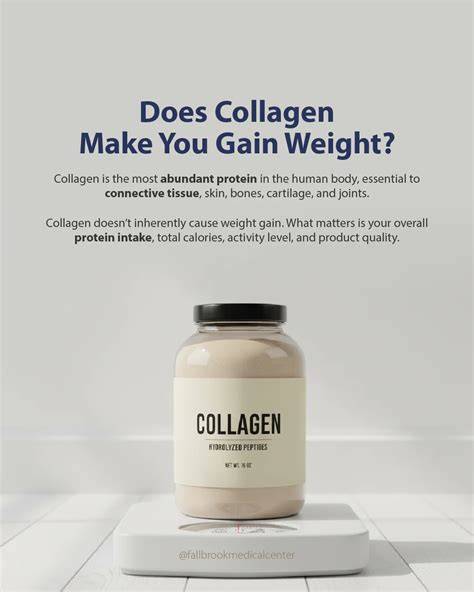
Can Taking Collagen Make You Gain Weight?
Table
| Form | Pros | Cons |
|---|---|---|
| Powder | Easy to add to foods/drinks; versatile | Varied dosages; possible flavor impact |
| Capsules | Convenient; precise dosages | May include travel-friendly packaging; cost |
| Gummies | Palatable; easy to take | Added sugars; may have lower collagen content |