Like most machine-learning models, Midjourney can be a bit of a black box. What we can do, is explore the output we get based on the inputs we give, and look for patterns and make assumptions. Note: I will frequently anthropomorphize Midjourney here. To best represent the detail of Midjourney’s output, the images below have large file sizes. You can see with simple prompts, Midjourney fills in a LOT of gaps with what boils down to weighted dice-rolls, on aspects of an image which a human would typically leave blank.
Run a prompt like this through the system ten times and you’ll probably get 6-8 fairly different images with different aspects, and a lot of similar traits. Without stylistic or color descriptors, it leans heavily into the cinematic teal-and-orange look by default, as you can see here. It LOVES clouds. Midjourney is exceptionally good at simulating different types of materials. Materials and colors will help add flavor to your prompts. Experiment with combinations, both expected and odd. Pay attention to materials in your surroundings. Around me right now I see crinkled paper, black plastic, brushed aluminium, grey woven cotton, and blue foam. The best way to use it is to leave a lot of room for interpretation and just sort of roll the dice.
Core capabilities and presets
The default "midjourney painting" style can be overridden by invoking certain styles using specific keywords or parameters. Octane is a rendering tool for digital 3D work, designed primarily to render things with realistic physical properties and accurate lighting. You’ll see it frequently used in Midjourney pieces aiming for a specific look. While simply stating "A circle" in our prompt makes it the subject by default, things can change a bit when we start describing the environment our subject is in. Aspect ratios can also drastically effect the type and compositions of images created.
Midjourney can attempt to evoke the style of a particular artist. This is one of the more ethically controversial ways to use AI in art, especially when dealing with any sort of commercialized work. While humans can and do also copy the style of others, the grey area is substantial when it’s an AI model doing the copying. This is especially (and understandably) a concern for working artists, and anyone well known enough for the system to recognize.
Note: The article contains prompts and examples illustrating both stylistic imitation and the ethical considerations that accompany AI-generated art.
Prompt: A circle in the style of Vincent Van Gogh, H.R. This article just scratches the surface. Prompt: "a mystical circle made of tree branches and liquid smoke in the trees of a lush jungle at night. Terrifying and magical. Thanks for reading.
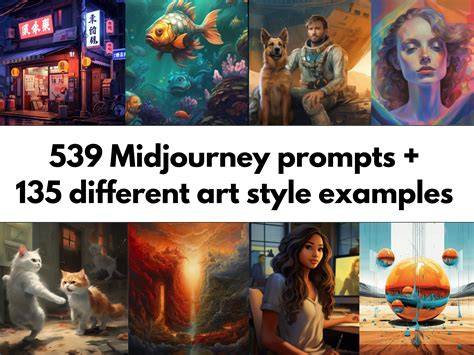
You can follow my AI-generated art experiments on Instagram. If you get value from stories like this and want unlimited access to all the content on Medium, consider becoming a Medium member. Exploring different art styles can be a fascinating journey, especially when using AI to bring your creative visions to life. Midjourney prompts offer a unique way to experiment with various artistic techniques, from classical to contemporary. Whether you're looking to emulate the brushstrokes of Van Gogh or the abstract forms of Picasso, these prompts can help you achieve stunning results.
Note that all the images below are created on OpenArt - a free platform to create your AI images. Midjourney prompts offer a unique way to experiment with various artistic techniques, from classical to contemporary.
Midjourney prompts and example styles
- Abstract expressionism painting of a cityscape, vibrant colors, dynamic brushstrokes, emotional intensity.
- Impressionist style landscape with soft, diffused light, capturing the essence of a serene countryside.
- Cubist portrait of a woman, fragmented shapes, multiple perspectives, geometric abstraction.
- Surrealist dreamscape with melting clocks, bizarre creatures, and a distorted reality.
- Pop art illustration of a famous celebrity, bold colors, comic book style, iconic imagery.
- Art Nouveau poster of a floral design, intricate patterns, flowing lines, decorative elegance.
- Baroque painting of a dramatic historical scene, rich details, intense contrasts, grandeur.
- Minimalist art piece with simple geometric shapes, clean lines, and a monochromatic palette.
- Renaissance-style portrait of a nobleman, realistic details, classical composition, and rich textures.
- Futurist depiction of a bustling city, dynamic movement, technological advancements, and vibrant energy.
- Gothic art illustration of a dark, mysterious castle, intricate details, and a haunting atmosphere.
- Dadaist collage with random objects, absurd juxtapositions, and a sense of chaos.
- Art Deco poster of a glamorous woman, sleek lines, luxurious details, and a sense of modernity.
- Romanticism painting of a dramatic seascape, emotional intensity, and sublime beauty.
- Fauvist landscape with bold, unnatural colors, expressive brushstrokes, and a sense of spontaneity.
- Realism painting of a rural scene, detailed depiction, and a focus on everyday life.
- Symbolist artwork with mystical themes, dreamlike imagery, and rich symbolism.
- Neo-classical painting of a mythological scene, idealized forms, and classical composition.
- Op art piece with optical illusions, geometric patterns, and a sense of movement.
- Post-impressionist still life with vibrant colors, bold brushstrokes, and a focus on form.
- Constructivist design with abstract shapes, industrial themes, and a sense of functionality.
- Pre-Raphaelite painting of a medieval scene, detailed depiction, and a focus on beauty.
- Photorealistic painting of a modern cityscape, detailed depiction, and a sense of realism.
- Street art mural with bold colors, urban themes, and a sense of rebellion.
- Digital art piece with futuristic themes, vibrant colors, and a sense of innovation.
Where to Create AI Images? With OpenArt, you can easily generate stunning AI images by simply inputting your textual prompts. While the Midjourney model is not available, OpenArt offers a variety of similar options to bring your creative visions to life. You can even train your own model to better suit your specific needs. Start creating today and explore the endless possibilities of AI-generated art.
How to craft effective Midjourney prompts
Creating a good prompt for Art Style requires a blend of clarity, creativity, and precision. Here are some major points to consider when crafting prompts for Art Style using Midjourney: Conciseness, Descriptive Language, Clarity, Experimentation, Prompt Generators, Creative Tag, Weights, Negative Prompts, Private Mode, Settings. Use succinct prompts under 40 words, describe materials and lighting, and adjust term importance with double colons (::). To streamline prompts, use the /settings command.
Enhance Your Creative Process with OpenArt. In summary, crafting effective Midjourney prompts for Art Style involves a mix of brevity, descriptive language, and experimentation. While Midjourney isn't available on OpenArt, our platform offers a variety of AI models to suit your creative needs. Ready to bring your artistic visions to life? Create AI art from Version 6 without Brand & Artists Names.
Practical prompts and environment cues
Prompt examples include: "Beautiful ice-cream shop 3d 32-bit isometric anime ice cream stand with an old woman" and "Analytic drawing of a chair" to illustrate how subject, style, and environment interplay in prompts. Observing surroundings-crinkled paper, black plastic, brushed aluminium, grey woven cotton, and blue foam-helps inform material details in prompts and outputs. The interplay of subject, environment, and medium shapes the final render through Midjourney’s probabilistic sampling, often favoring clouds and teal-and-orange cinematic color grading as a default.
Ethical considerations and artists’ rights
The ability of Midjourney to imitate individual artists raises ethical questions around consent, originality, and fair use, particularly in commercial contexts. Debates around AI copying of established styles continue to evolve as technology advances and industry norms shift. Working artists may seek guidance on licensing, attribution, and compensation when AI-generated outputs closely resemble their distinctive styles.
THE LAW HAS FINALLY CAUGHT UP WITH AI “ART” | Basics on AI Ethics + News About AI Law
Conclusion-like reflections are woven through the discussion of prompts, styles, and the evolving landscape of AI-assisted art creation, without presenting formal conclusions or final judgments. The exploration remains open-ended, inviting readers to experiment responsibly and thoughtfully with Midjourney and related tools.
Tables and data-driven insights
| Aspect | Impact on Output | Prompts to Try |
|---|---|---|
| Aspect ratio | Drastically changes composition | --ar 16:9, --ar 1:1 |
| Material cues | Affects texture and realism | crinkled paper, brushed aluminium |
| Rendering tool | Influences lighting and physics | Octane, physical-based lighting |
| Artist style imitation | Ethical considerations; legal implications | in the style of [artist], with caveats |
| Color descriptors | Shapes mood and color palette | teal-and-orange, monochrome |
tags: #midjourney #art #style