In the realm of professional photo editing, a solid background encompasses both artistry and technical proficiency, enabling editors to transform raw imagery into polished visuals that meet client expectations and industry standards.
Key elements include a blend of formal training, practical software skills, and an understanding of color theory, composition, and retouching workflows. A well-rounded background helps editors navigate complex projects, communicate effectively with clients, and deliver consistent results across varied genres such as portraiture, fashion, product, and editorial work.
Educational Foundations
Formal education often provides a structured baseline for technical competence, including courses in photography, color management, and digital imaging. Degrees or certificates in photography, graphic design, or visual arts can establish a framework for understanding camera workflows, file formats, and client-oriented deliverables.
Beyond degrees, specialized workshops and online courses focused on retouching, compositing, and color grading bolster a professional résumé. Continuous learning is critical, as software updates and new techniques continually reshape best practices in the field.
Technical Proficiency
A professional photo editor should be fluent in industry-standard software such as Adobe Photoshop, Lightroom, and bridge workflows, with advanced capabilities in masking, frequency separation, dodge and burn techniques, and non-destructive editing. Proficiency in color management, monitor calibration, and soft-proofing ensures fidelity between the creator’s intent and the final output.
Asset organization and workflow optimization are essential. This includes cataloging, metadata practices, version control, and archiving strategies that safeguard projects from data loss while enabling efficient collaboration with photographers, art directors, and clients.
Creative and Aesthetic Skills
Color theory, tonal grading, and spatial composition inform the editor’s decisions, helping to balance mood, skin tones, and lighting consistency across a series of images. A strong eye for detail enables precise blemish removal, texture restoration, and seamless blending, while creative instincts guide the application of composites, visual effects, and stylistic trends appropriate to the project.
Understanding industry standards for different deliverables-ranging from web thumbnails to large-format print-ensures that color space, resolution, and output sharpening are correctly managed for each channel.
Workflow and Collaboration
Professional editors often participate in cross-functional teams, collaborating with photographers, designers, and marketing professionals. Clear communication about timelines, expectations, and technical constraints helps keep projects on track and preserves creative intent.
Efficient workflows leverage non-destructive editing, automated batch processing, and standardized file naming to reduce turnaround times while maintaining high quality. Documented processes and checklists help ensure consistency across multiple editors working on the same client brief.
Quality Assurance and Ethics
Quality assurance includes meticulous attention to detail, such as ensuring color accuracy, eliminating artifacts, and validating deliverables against client specifications. Ethical considerations involve maintaining client confidentiality, respecting licensing and usage rights, and representing subjects with accuracy and respect.
Professional editors also stay current with legal and publishing standards, including model releases, consent for usage, and compliance with platform-specific requirements for image optimization and accessibility.
Portfolio and Professional Branding
A compelling portfolio showcases a range of work that demonstrates versatility and mastery of techniques. Case studies or before-and-after sequences highlight problem-solving skills and the ability to adapt to different client needs. A cohesive personal brand-covering a website, social media presence, and client testimonials-helps editors stand out in a competitive market.
Continuous practice, experimentation with new tools, and participation in industry communities contribute to ongoing professional growth. The ability to articulate technical decisions to clients and collaborators enhances trust and project outcomes.
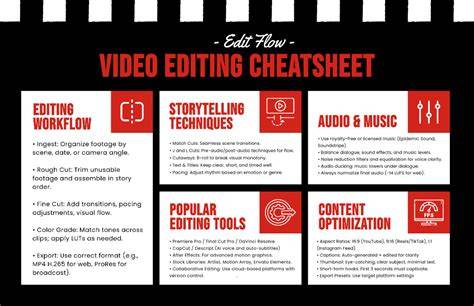
Creating a Roastella Bossa Video ☕ Behind the Scenes | Photo Editing & Video Making
In practice, a professional background for photo editing combines formal training, technical mastery, and creative vision, all anchored by a workflow that ensures high-quality results delivered on time and aligned with client goals.
tags: #professional #background #for #photo #editing