A beloved hairstylist and devoted mother of three vanishes without a trace, thrusting a quiet Florida community into a multistate investigation, a compelling case explored in an all-new two-hour special of 20/20. On Mother’s Day in 2018 (a day that was also her 34th birthday) hairstylist Joleen Cummings disappeared from her tight-knit Florida community. Known for her reliability and unwavering commitment to her children, Joleen’s sudden absence immediately raised alarm, prompting her mother to file a missing person report that launched an urgent investigation.
Initial inquiries included speaking with Joleen’s ex-husband and boyfriend, who were both cleared by detectives. The first major break came with the discovery of Joleen’s SUV, which was found abandoned in a parking lot near the salon where she worked. Surveillance video captured an unidentified figure parking the vehicle in the middle of the night, shifting the case into high gear. As investigators closed in on a suspect, the search escalated into a multistate investigation, ultimately uncovering a chilling trail of deception, false identities, and manipulation that culminated in murder.
Behind the episode lies exclusive interviews with Joleen’s mother, Ann Johnson; her close friends from beauty school and the salon; and the detectives whose relentless work helped bring the case to light. ABC News’ 20/20, anchored by David Muir and Deborah Roberts, has been a leading long-form newsmagazine for over 45 years, specializing in unforgettable, character-driven true-crime mysteries, in-depth investigative reports, and high-profile stories. Janice Johnston serves as the executive producer.
Unmasking the Co-Worker and the ‘No Body, No Crime’ Defense
The shocking twist uncovered during the investigation was the identity of the person seen abandoning Joleen’s vehicle: her co-worker, Kimberly Kessler, who had been working under the alias "Jennifer Sybert." Kessler’s background revealed a profound history of deception. She had been listed as "missing under suspicious circumstances" from Pennsylvania since 2004 and had lived in various states using as many as 18 false names. Detectives learned that Kessler had exhibited bizarre behavior, including hiding in cabinets and constantly writing in a notebook, even during her time in beauty school.
Despite Joleen Cummings' body never being found, prosecutors built a powerful circumstantial case, turning the investigation into a pivotal example of a "no body" murder conviction. Key evidence presented during the 2021 trial included: Joleen Cummings’ blood found on Kessler’s sock, boot, and a pair of scissors in her car; surveillance footage showing Kessler struggling to throw out heavy trash bags; Kessler's internet search history, which included the chilling phrase "Joleen Cummings no body no crime." In December 2021, a jury found Kimberly Kessler guilty of first-degree murder and grand theft auto. She was subsequently sentenced to life in prison. Though justice was served, Joleen's mother continues to appeal to Kessler for the location of her daughter’s remains.
New and upcoming from Disney+ and Hulu: The article notes promotional material about streaming bundles, but the core case remains anchored in the 20/20 special and subsequent trial, highlighting how a no-body murder conviction can result from circumstantial but compelling evidence. This case demonstrates the power of surveillance, forensic-like interpretations of live timelines, and the persistence of investigators across multiple states.
What Happened: The Timeline of a Multistate Investigation
- Mother’s Day 2018: Joleen Cummings disappears, prompting a missing person investigation.
- Early leads: Interviews with ex-husband and boyfriend who are cleared; SUV found abandoned near her workplace.
- Nighttime surveillance: Footage of an unidentified figure parking the SUV, shifting the case into a more urgent phase.
- Expansion: The investigation goes multistate as detectives follow a web of deception and false identities.
- Unmasking: Kimberly Kessler identified as the co-worker involved, using the alias Jennifer Sybert.
- Trial and verdict: No body, no crime becomes a pivotal theme; Kessler convicted of first-degree murder and grand theft auto in 2021; life imprisonment.
Beyond the episode: The case underscores the evolving concept of evidence in no-body murder prosecutions. Investigators relied on blood evidence in the car, tireless surveillance review, and patterns in Kessler’s online searches to construct a prosecutable narrative even without a recovered body. The emotional toll on Joleen’s family is highlighted through interviews with her mother and close friends, illustrating the lasting impact of the crime on a community that once valued safety and daily routines.
Context: 20/20 and True-Crime Storytelling
ABC News’ 20/20 has long been a platform for character-driven true-crime mysteries, delivering in-depth investigative reports and exclusive interviews. The program’s legacy-spanning over four decades-places the Joleen Cummings case within a broader tradition of meticulous journalistic pursuit of truth, resilience of families, and accountability for perpetrators. The two-hour special expands the narrative beyond the immediate investigation to explore motives, identities, and the dynamics within a small community that faced a chilling awakening.
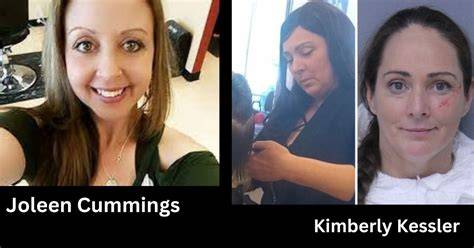
In addition to the investigative chronology, the story delves into the complexities of deception, including how aliases and cross-state movements can complicate missing-person cases and string together disparate clues into a coherent prosecutorial theory. The case remains a stark reminder that the absence of a body does not preclude decisive legal outcomes when there is compelling circumstantial evidence and a persistent pursuit of truth.
Lindsay Clancy's defense rests their case in her murder trial
Ultimately, the 2021 verdict and life sentence for Kimberly Kessler closed a painful chapter for Joleen’s family, while leaving the community with unanswered questions about her final resting place. The ongoing appeal by Joleen’s mother continues to seek closure, underscoring the human dimension behind even the most methodical criminal investigations.
Related Context: Media and Public Awareness
20/20’s coverage of the Joleen Cummings case is part of a broader trend in true-crime reporting that emphasizes accountability, human stories, and investigative rigor. The program’s longstanding reputation for deep-dive reporting provides a template for future coverage of similar cases, combining archival material, new interviews, and professional analysis to illuminate how investigators connect dots across jurisdictions.
As the case has entered the public memory, it also raises discussions about the ethics of sensationalism versus responsible journalism, the role of families in shaping public narratives, and the legal complexities of no-body murder prosecutions. The final narrative-though anchored in the courtroom-remains deeply personal for Joleen’s loved ones, who continue to pursue answers about her fate.
Key themes include vigilance in communities, the use of surveillance in modern investigations, and how a single night’s choices can unravel multiple lives. The Joleen Cummings case stands as a powerful example of perseverance in the face of ambiguous evidence and the enduring quest for truth in a no-body murder setting.