During a power outage, it is common for homeowners and businesses to worry about fuel levels and runtime of their generators. Many people search questions like can you put gas in a generator while it’s running because they want to keep power going without interruptions. Generators are powerful machines that produce heat, sparks, and exhaust, and handling fuel the wrong way during an outage can turn a stressful situation into a dangerous one.
Why Is It Dangerous to Refill a Generator While It’s Running?
Gasoline vapors ignite easily, and contact with hot engine parts or sparks can cause a fire in seconds. Gasoline vapors can ignite when they contact hot engine components, mufflers, or electrical sparks. Fuel can splash back onto hands, arms, or clothing, and contact with hot surfaces can cause severe burns. Additionally, fuel entering the wrong areas can damage electrical components and sensors.
Generators operate at high temperatures, and fuel is highly flammable. Spilled gasoline or vapors can ignite from hot engine parts or exhaust, posing a significant hazard to safety and property. Most generators’ manufacturers specifically warn against refueling during operation, as doing so could void warranties or violate safety standards such as OSHA or NFPA.
Is It Possible to Refuel a Generator While It’s Running?
Technically, some setups allow for refueling a generator while it is operational, but it is not recommended. For example, with certain modifications, such as having a removable tank and a pulse fuel pump, some users have designed systems to add fuel while the generator is running.
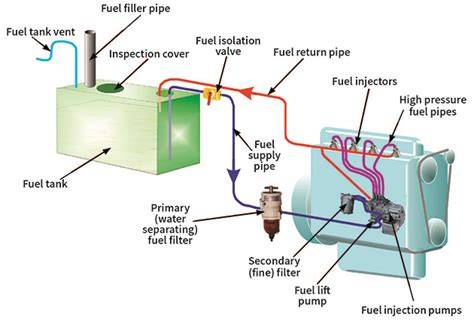
In practice, most safety guidelines strongly advise turning off the generator before refueling. Refueling with a hot engine or running generator involves risks such as fuel spills, vapor buildup, or accidental ignition. Furthermore, many manufacturers and safety protocols recommend shutting down the generator and allowing it to cool for at least 5-10 minutes before adding fuel.
Methods for Safe Refueling
- Always turn off the generator and let it cool before refueling.
- Use approved, sealed containers specifically designed for diesel or gasoline.
- Refuel in well-ventilated areas to prevent fume buildup.
- Slowly fill the tank to avoid spills or splashback.
- Inspect fuel lines and connections for leaks before restarting.
Following these steps minimizes the risk of fire, injury, and damage to equipment, ensuring long-term reliability and safety.
Extension: Fuel Management for Continuous Power
When continuous power is crucial, investing in a higher-capacity fuel tank or external fuel connections can help maintain uptime without the need for on-the-fly refueling. For example, trailer-mounted generators often feature UL-142 compliant fuel tanks supporting up to 48 hours of operation or more. These setups facilitate safer refueling procedures and extended run-times, especially beneficial at construction sites, industrial locations, or during disaster responses.
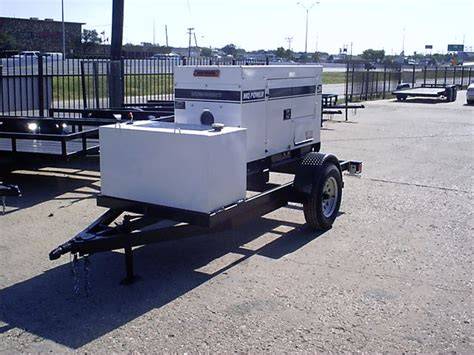
Another option is to have a backup standby generator that connects to natural gas or propane, starting automatically during outages, eliminating the need for manual refueling during operation.
Special Considerations for Diesel Generators
Refueling diesel-powered generators while they are running is generally discouraged. Even though diesel fuel is less flammable than gasoline, the risks of spills, vapor ignition, and burns remain. Diesel generators, operating at high temperatures, can ignite spilled fuel or vapors. Consequently, many professional operators and manufacturers recommend always turning off diesel generators before refueling.
For industrial or large portable units with fuel tanks ranging from 20 to 50 gallons, refueling in operation involves significant safety precautions. These include ensuring proper ventilation, using approved containers, slow filling, and checking for leaks.
Risks of Refueling While Running
- Fuel spills and vapors can ignite due to hot engine components or sparks.
- Handling fuel around a hot engine exposes personnel to burns or injuries.
- Overfilling can cause leaks and potentially hazardous spills.
- Refueling during operation might void manufacturer warranties or violate safety standards.
Practical Recommendations
Ultimately, the safest approach remains turning off the generator, waiting for it to cool, and then refilling it carefully. If continuous operation is necessary, consider designing a setup with external or large fuel tanks to facilitate safer refueling and extended operation. Professional fuel management and maintenance plans can help ensure uninterrupted power and safety during outages.
Summary Table: Refueling Best Practices
| Step | Action | Rationale |
|---|---|---|
| 1 | Turn off the generator | Reduces risk of fire and explosion |
| 2 | Allow engine to cool (5-10 mins) | Prevents igniting fuel vapors |
| 3 | Use approved fuel containers | Ensures safe storage and handling |
| 4 | Refill slowly and carefully | Avoid spills and overfilling |
| 5 | Inspect for leaks before restarting | Prevents hazards after refueling |
Can I Refuel a Generator While It’s Running? | Teague Electric
In conclusion, while it may be physically possible to refuel some generators while they are running with special modifications and careful procedures, it is strongly discouraged. Always prioritize safety by turning off the generator, allowing it to cool, and following proper refueling protocols. For uninterrupted power during outages, consider high-capacity tanks, external fuel connections, or standby generators designed for continuous operation without the need for risky on-the-fly refueling.