From the earliest days of fashion imagery to today’s omnipresent Instagram feeds, retouching has become a defining part of how we perceive celebrity beauty. This article compiles observations from a wide range of examples, tracing how Photoshop reshapes bodies, faces, and textures, and why the difference between original and edited images matters for fans, models, and the industry at large.
Retouching as a standard practice in fashion and media
Photo-retouching also happens to be a very costly part of editing, that is if you want your models to resemble stick insects. The most common technique when photoshopping portraits is using the Liquify Tool to achieve the dream body. In an era ruled by social media and picture-perfect celebrities, the world is no stranger to photo-editing software. But with netizens scrutinising your every post, it’s virtually impossible to get away with retouching these days - even for the British royals.
Photoshop fails show up in various ways, but the most obvious missteps include suspiciously warped furnishings in the vicinity of a celebrity’s curves, elements that are wildly out of proportion - and straight up missing body parts. The easiest way of finding celebrities before and after Photoshop photos is to view the official red carpet photos and compare them to the ones you see on Instagram.
However, the work goes beyond simple blemish removal. Celebrities often struggle to edit their stories and posts without any giveaways, and even public figures who seem confident can become uncomfortable with the edits that fade texture, age, and individuality. The before-and-after comparisons reveal a tension between flawless polish and authentic presence.
Notable examples and recurring patterns
Many widely circulated comparisons show faces and bodies softened or reshaped to fit a magazine-standard ideal. For instance, a modern era of retouching routinely smooths skin, whitens teeth, tightens waists, and enhances eyes, sometimes to the point where the original features read as almost sculpted or toy-like. The most telling evidence often lies in subtle inconsistencies: pores erased, natural textures flattened, and shadows manipulated to create a uniform glow across the image.
Some famous cases become talking points not because of one altered image, but because they illustrate a broader industry pattern. The most common technique is slight but pervasive changes across multiple features-skin texture, waistline, facial symmetry, and color balance-so the final product appears spotless and ready for a glossy magazine cover or a high-end campaign. Yet, fans frequently prefer the unedited look, arguing that the original photo carries more personality and realism than the retouched version.
Impact on public perception and industry ethics
In today’s climate, even high-profile figures face scrutiny over whether their images reflect reality. The public questions whether retouched images promote unhealthy beauty standards or simply set a bar that is impossible to meet without digital alteration. There is an ongoing debate about responsibility: who should be accountable for the final image that reaches audiences, and how transparent should the editing process be?
Despite criticisms, retouching persists as a practical tool for correcting lighting, color, and minor imperfections that can distract from the fashion narrative. Yet the extensive use of digital alterations sometimes overshadows a star’s genuine presence, leading to conversations about authenticity, aging, and the pressure placed on models and celebrities to maintain an idealized version of themselves.
Portraits, edits, and the psychology of beauty
Photoshop is frequently described as a double-edged sword: it can enhance a portrait’s appeal while also erasing individuality. When before-and-after images are compared, viewers often note that the “before” version carries a stronger sense of character, while the “after” version emphasizes polish and perfection. The tension between natural beauty and digital enhancement raises questions about how audiences learn to value real features versus perfected surfaces.
As technology evolves, tools become more accessible to photographers and hobbyists alike, widening the gap between casually shared images and professionally produced campaigns. Yet the industry’s core challenge remains: balancing artistic control with ethical considerations about body image and representation.
Practical takeaways for photographers and viewers
Photographers can leverage retouching to improve lighting, color harmony, and overall polish without losing essential character. For portrait work, a measured approach that preserves pores, texture, and subtle imperfections often yields a more credible and relatable image. Viewers, meanwhile, can enjoy the artistry of retouching while remaining critical of the claims to “reality” that accompany heavily edited photos.
Cut down your editing time by installing Photoshop actions. This collection of tools was specifically designed for improving portrait photography, whether it was shot in a studio or natural light. You’ll be able to quickly improve colors and skin, remove blemishes, edit eyes, lips, and hair. Using this bundle guarantees professional results.
Concluding reflections (without a formal conclusion)
In an era of image-driven communication, retouching remains a pervasive practice shaping how celebrities are perceived. The balance between celebrating artistry and acknowledging the crafted nature of many iconic images continues to provoke discussion among fans, professionals, and critics alike. The essential takeaway is that photographs-whether edited or unedited-offer a glimpse into a visual culture that relentlessly negotiates beauty, identity, and reality.
Illustrative notes and supplementary material
The following elements provide additional context and visual support for the article, illustrating both the craft of retouching and its reception.
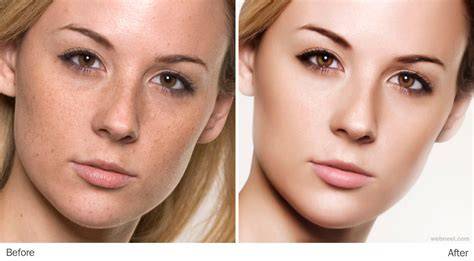
Infographic comparing common retouching techniques (skin smoothing, waist cinching, eye enhancement, color grading) and their typical visual effects on public perception.
Flawless 1-Min Skin Retouch Action in Photoshop!
A short video demonstrating how tools like Liquify and healing brushes alter portrait features and textures, with emphasis on ethical considerations in fashion photography.
tags: #celebrities #and #photoshop