The grape surgery meme began with a short video showing a sophisticated surgical robot peeling a grape, highlighting the remarkable precision of the da Vinci Surgical System.
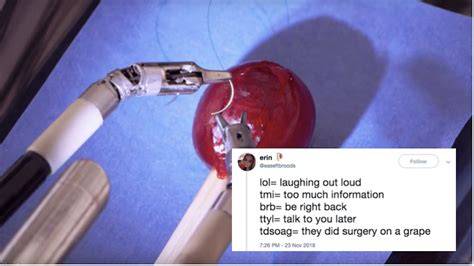
Edward Hospital in Naperville, Illinois, posted a video in 2010 demonstrating a grape being peeled by a sophisticated surgical robot. It later became a viral sensation after Cheddar shared a version in July 2017, coalescing into the widely recognized meme: “They did surgery on a grape.”
da Vinci Robot Stitches a Grape Back Together
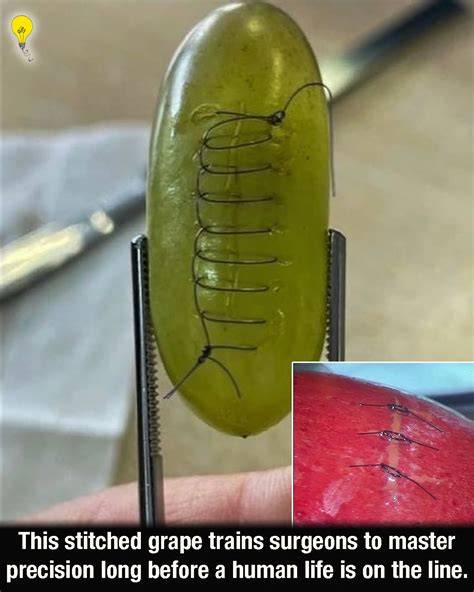
The Da Vinci system was cleared by the FDA for surgical use in July 2000 and draws its name from Leonardo da Vinci’s studies of human anatomy. The video showed the robot performing delicate maneuvers-peeling grape skin and, in a later clip, stitching a grape back together-illustrating the system’s dexterity in hard-to-reach spaces.
The meme’s rise can be traced to a 2017 Cheddar post that captured public imagination: “They did surgery on a grape.” The caption spread across platforms, accompanied by screenshots and memes that turned a clinical demonstration into a cultural moment.
Max Godnick, the creator of the original Edward Hospital video, later described the viral phenomenon in a response video: the meme’s appeal lay in its almost hypnotic, simple premise-an intricate robotic procedure performed on fruit. This led to a broader discussion about what the technology can achieve beyond cherry-picking viral moments.
da Vinci Robot Stitches a Grape Back Together
A sequel video, titled “da Vinci Robot Stitches a Grape Back Together,” reinforced the meme’s position in internet culture: the idea that a grape could be operated on with the same precision used for human tissue. The continuing curiosity around these videos reveals the system’s potential to perform delicate tasks in confined spaces.
Beyond entertainment, the grape demonstrations highlight the Da Vinci system’s capabilities: remote operation by a surgeon, fine motor control, and the ability to manipulate instruments with high precision through small incisions. The mind-bending reality is that a high-end surgical robot-the Da Vinci system-functions as a sophisticated Swiss knife in the operating room, where a skilled surgeon guides the procedure from a console.
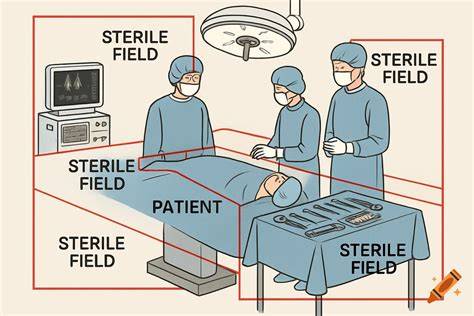
In the broader context, the technology hinges on a human operator controlling robotic arms while viewing a three-dimensional image of the surgical field. The robot amplifies dexterity and range of motion, enabling intricate maneuvers that are challenging to achieve by hand alone. This leads to questions about future developments: automated surgical bots, safety, and security as robotic assistance becomes more prevalent in hospitals.
da Vinci Robot Stitches a Grape Back Together
Despite its public fascination, the da Vinci system is not a brand-new miracle but a mature, powerful tool within a continuum of surgical innovation. Its use is expanding, and with it comes ongoing discussions about safety, regulation, and how to ensure reliable performance as robotic capabilities evolve. The meme’s comedic framing contrasts with substantive engineering and clinical progress that continues to push the boundaries of minimally invasive surgery.
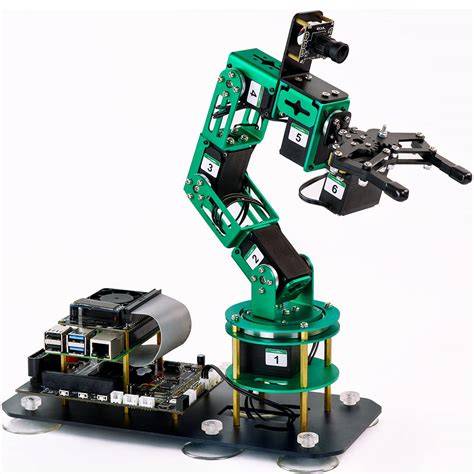
In summary, the grape videos illuminate two intertwined threads: impressive mechanical dexterity achieved through precise remote operation, and the cultural phenomenon that a simple fruit could symbolize a leap toward future automation in medicine. While ChargedHex’s tinkering with used Da Vinci manipulators demonstrates the ingenuity of hobbyist robotics, the broader story remains one of a sophisticated medical robot evolving alongside safety, effectiveness, and public perception.
The Da Vinci narrative merges history, technology, and pop culture-an intriguing snapshot of how advanced surgical robotics can captivate a global audience while continuing to transform clinical practice and research.
Key Concepts and Context
- Da Vinci Surgical System: a multi-armed robotic platform controlled by a surgeon at a console with 3D visualization.
- Precision in minimally invasive procedures: high dexterity, fine motor control, and enhanced visualization through the endoscopic camera.
- Regulatory timeline: FDA clearance in 2000, with ongoing evolution in safety and automation debates.
- Meme dynamics: the viral spread of “They did surgery on a grape” illustrating the public fascination with surgical robotics.
- Future directions: automated surgical bots, safety challenges, and cybersecurity considerations as robots integrate more into clinical settings.
| Aspect | Details |
|---|---|
| System | Da Vinci Surgical System with multiple robotic arms and endoscopic camera |
| Use-case demonstrated | Delicate manipulation of grape skin; stitching and cutting gestures |
| Public impact | Viral meme; increased awareness of surgical robotics |
| Developer/organization | Intuitive Surgical; wide clinical adoption |