Have you ever felt more rested after six hours of sleep than eight? Figuring out how much sleep you need may seem simple, but anyone who has tried likely knows how difficult of a task it can be. This is because anything, including drinking caffeine a little too late in the day or getting sick, can influence your sleep, further confounding how much sleep your body needs. With the many possible interruptions during the night, as well-making a single long bout of sleep difficult to come by-polyphasic sleep may seem appealing.
Leonardo da Vinci was the first to implement this unusual sleep schedule, and with how much he accomplished in his life, it may seem wise to follow in his footsteps. Be warned, though; polyphasic sleep may not be as favorable as some figureheads have led us to believe. Let’s explore why that is.
Leonardo Da Vinci: Painter, Genius, and Father of Polyphasic Sleeping
Leonardo da Vinci is regarded as a master painter, with his most well-known work, the Mona Lisa, drawing crowds of 10 million a year, making it the most famous portrait ever painted and the most visited painting. While da Vinci is most well-known for his artwork, he was a certifiable genius, conducting dozens of carefully construed experiments and creating inventions that were groundbreaking for the time. In an age where familiar machines were only built and repaired, da Vinci instigated a new approach: invention. He looked at how each part of the machines worked to combine them in different ways, creating inventions that had never been seen before.
In addition to inventing machines, da Vinci also created the polyphasic sleep process, which is also known as the da Vinci Sleep Schedule. With this schedule, 20-minute power naps are utilized during the day instead of sleeping for one long 7-9 hour stretch at night. In the end, this equates to about 5 hours of sleep every 24 hours. Leonardo da Vinci developed this sleep schedule because he believed that sleep, while necessary, was a waste of time as it limited his productivity.
Other Famous Polyphasic Sleepers
Nikola Tesla, the pioneer of alternating current (AC) electricity, also utilized power naps, along with Thomas Edison, who was most famous for his invention of the lightbulb. With all the historical geniuses who utilized polyphasic sleep, is this method truly better for our health and productivity?
What is Polyphasic Sleep?
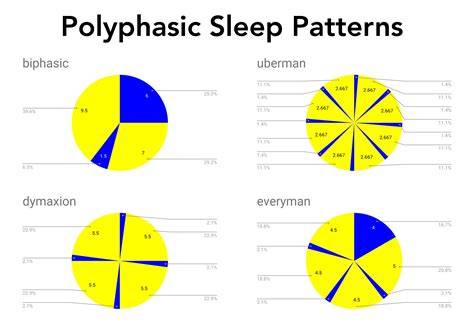
Polyphasic sleep involves sleeping more than twice per day and is often used as a way to spend less time in bed. While Da Vinci utilized 20-minute naps throughout the day, there are other formats for polyphasic sleep. Dymaxion Schedule involves a 30-minute nap every 6 hours, leaving you with 2 hours of total sleep a day. It first appeared in a Time article in 1943, in which Buckminster Fuller claimed to have followed this sleep schedule for two years. The only reason Fuller switched back to a monophasic sleep schedule was to match the wake times of his business associates.
Everman Schedule utilizes one 3-hour block of sleep at night and then three 20-minute naps spread throughout the day. Uberman Schedule-one common variation-involves a 20-minute nap every four hours, leaving you with 3 hours of sleep a day; other variations may use eight naps or 30-minute naps. There is significant flexibility in many polyphasic patterns.
Is Polyphasic Sleep Better?
Polyphasic sleep is a natural sleep phenomenon for many animals, but not necessarily for humans, who typically engage in monophasic sleep. Still, those who try polyphasic sleep often report greater benefits when using these sleep patterns. However, while famous geniuses such as Leonardo da Vinci and Thomas Edison used polyphasic sleep and accomplished great things in their life, the research isn’t always there to support their claimed benefits.
The Benefits and the Risks
The Benefits of Polyphasic Sleep: Those who engage in polyphasic sleep often report increased productivity as their number one benefit. However, it’s less clear if this feeling of increased productivity is because they truly get more done or because they have more time to work on their tasks. Still, polyphasic sleep may be better for your memory. Research shows that napping shortly after learning something new can help with memory retention, so polyphasic sleep, with its greater number of sleep episodes during the day, may help you retain more information. Polyphasic sleep can also benefit those with irregular working shifts, especially those who cannot fall asleep because of their odd hours. It can be better than no sleep at all and is used by solo sailors to manage sleep while racing. It may also help increase lucid dreaming because of frequent awakenings at night.
The Risks of Polyphasic Sleep: Short- and long-term risks can come from limiting your sleep, even if you don’t feel tired. Reduced reaction time and an increased risk of depression are commonly cited concerns. Disrupts your circadian rhythm, affecting cardiovascular health, weight, and more. A disruption in circadian rhythm can lead to health declines. In practice, many people report relying on caffeine to stay awake, and polyphasic sleep does not consistently enhance learning or creativity. Modern research generally finds that while polyphasic sleep can be feasible in special circumstances, it is not a healthy lifestyle for most people and does not outperform monophasic sleep in key domains like productivity and health.
A Modern Take on Polyphasic Sleep
Many famous historical figures reportedly used short naps, but current research capability does not fully support the benefits claimed for polyphasic sleep. NASA and military studies show longer naps can benefit cognitive function, while attempting to compress sleep into 2 hours per day under normal conditions is not feasible for most people. In military research, naps of at least 45 minutes with sufficient total sleep per day are recommended; long-term, polyphasic schedules do not sustain cognitive performance at the level of normal sleep. For adolescents and the general population, experts stress that 6-8 hours of sleep daily is important for brain function, concentration, and learning efficiency.
Napping can be a supplement when full sleep cannot be guaranteed, but a pattern of multiple short naps is not proven to provide the same benefits as consolidated sleep. The Da Vinci sleep method requires the body to enter REM sleep immediately upon falling asleep, which conflicts with natural sleep architecture. Adaptation typically takes about a week, during which sleepiness and sleep deprivation sensations may occur. After adaptation, some individuals report feeling normal or even better, but results vary widely across people.
Leonardo da Vinci, though celebrated for his art and inventions, remains a historical example whose supposed sleep pattern has become a modern legend more than a proven practice. The consensus among sleep researchers is that extreme polyphasic sleep does not reliably improve creativity, productivity, or cognitive performance in the long term. Napping is best viewed as a supplement to a regular, adequate nightly sleep schedule rather than a replacement for it.
Practical Takeaways
- Most people should prioritize 7-9 hours of consolidated sleep per night for optimal health and cognitive function.
- Polyphasic sleep can be attempted in isolated, demanding scenarios (e.g., sailors, certain military contexts) but is not a general recommendation.
- If attempting polyphasic sleep, be mindful of adaptation time, sleep architecture (REM, deep sleep, light sleep), and overall well-being.
In general, if sleep is unavoidable in a demanding period, strategic napping can help restore some cognitive function, but it should not be misconstrued as a shortcut to sustained high performance without consequences.
Trying Biphasic Sleep for 2 Months, See Why It Improved My Day
Historical myths about Leonardo’s sleep persist, but current science supports a cautious view: extreme sleep reduction is not a universal solution, and for most people, maintaining consistent, adequate nightly sleep remains the best strategy for health and productivity.