Embroidery digitizing is a precise bridge between artwork and stitch that enables apparel, accessories, and textile goods to be produced at scale with consistent quality. This article compiles insights drawn from real-world discussions about creating production-ready embroidery files, improving tech packs, and coordinating with digitizers, designers, and manufacturers to ensure efficient workflow and high-fidelity results.
Understanding the scope of embroidery digitizing work
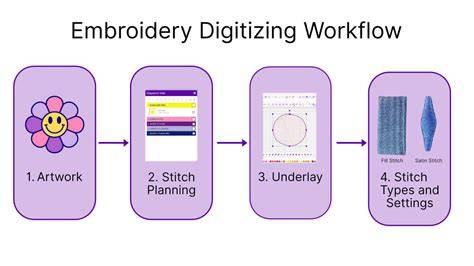
Digitizing for embroidery involves translating vector or raster artwork into stitch data that machines can read, while preserving the original design’s intent, texture, and readability on fabric. The process includes color flattening, stitch count considerations, density control, underlay choices, and trim management. A successful digitizing job must align with the final garment type, fabric, and embroidery area, whether hats, caps, jackets, or dresses.
For apparel and accessory projects, the scope often spans:
- Auditing existing embroidery and production files to identify gaps in stitch counts, color call-outs, and placement.
- Re-writing or updating tech packs to eliminate interpretation gaps, especially for complex areas like corsets, patches, or multi-panel garments.
- Producing production-ready embroidery files that adhere to machine capabilities and supplier guidelines.
- Coordinating color palettes that translate well across fabrics (for example, greens, golds, whites, and neutrals) and remain legible on light and dark backgrounds.
- Validating file formats, sizes, and workspace dimensions (e.g., precise inches for cap embroidery areas) to ensure compatibility with automated digitizers and printers.
Key steps to audit and improve existing files
Auditing is the first critical phase to ensure that production will run smoothly. A rigorous audit covers:
- Stitch count accuracy and distribution to prevent puckering or excessive layer buildup.
- Color call-outs and segmentation to ensure the design reads correctly at target sizes.
- Placement accuracy with clear front, back, and patch positions on each garment type.
- File completeness, including all layers, trims, and underlay instructions.
- Documentation clarity in the tech pack, detailing construction details and fit specifications with unambiguous language.
Replacing a low-detail AI mock-up with production-ready, layered files that are labeled and ready for screen-printing or embroidery helps reduce back-and-forth during approvals.
Tech packs: turning vague concepts into actionable production guidance
Tech packs are essential to ensure that every stakeholder-designers, pattern makers, digitizers, and embroidery technicians-interprets requirements identically. A robust tech pack should:
- Specify stitch counts, density targets, underlay strategies, and thread trims for each embroidery zone.
- Contain precise fabric specs, shrink expectations, and any garment-specific considerations (e.g., corset sections or multi-piece patches).
- Detail placement guides, including exact measurements from reference points, margin notes, and orientation markers.
- Provide color call-outs and Pantone-equivalent references, along with flattening strategies for color separation.
- Deliver production notes for embroidery pages, including any additional call-outs needed to prevent misinterpretation.
- Offer a clean, production-ready file set where each style has a clearly labeled, layered structure with ready-to-run embroidery sequences.
When tech packs are precise and unambiguous, they reduce the risk of revisions and expedite approvals, especially for complex items like traditional wear, structured garments, or pieces with multiple embroidery zones.
Embroidery file creation: from artwork to production-ready data
The production-ready embroidery file set typically includes:
- Digitized embroidery file with stitched outlines optimized for the target machine (e.g., DST, PES, EXP, or EXP variants).
- Color-separated stitch charts and a color palette mapping for thread brands and colors.
- Layered vector-based references and raster previews showing stitch density and coverage.
- Clear placement art and technical drawings indicating seam lines, edge alignments, and finish types.
- Notes on fabric behavior, stabilization needs, and recommended backing or sprays for different substrates.
Crucially, the workspace size should be set to match the embroidery area constraints (for example, a 4" x 2.25" front-cap area) and color-flattening should be applied to produce a predictable, production-friendly output. The aim is to create an embroidery workflow that can be replicated across batches with minimal variation.
Color palettes and practical considerations for embroidery
Color choices must balance aesthetics with stitch economy and fabric interaction. For logo systems, palettes grounded in green, white, and gold can convey freshness and warmth without becoming overly neon or saturated when stitched. When a palette includes white, grey, red, and a bold accent like electric purple, it’s essential to plan color shading, thread finishes, and underlay to maximize legibility on both light and dark fabrics. Integrating subtle motifs (for example, four Ha-Be circles/dots) can preserve brand nods while keeping the embroidery clean and production-friendly.
Practical embroidery considerations include:
- Stability and pull management for fine details on woven fabrics or knits.
- Stitch direction and layer order to minimize distortion around curves and corners.
- Appropriate backing, cutaway, or tear-away materials based on garment type and fabric weight.
- Layering strategies for multi-needle machines to maintain color integrity and alignment across views.
Working with suppliers and digitizers
To achieve reliable outcomes, collaborate with experienced digitizers, pattern makers, and production teams who understand the realities of apparel and embroidery production. A few practical guidelines:
- Audit and harmonize files across all suppliers to minimize interpretation gaps during production.
- Ensure all party members are aligned on the final artwork, color scheme, and size constraints before digitizing begins.
- Request flat previews or basic mock-ups that show legibility and style comprehension early in the process.
- Provide a clear, production-ready file package for each style, with all layers, calls, and instructions openly documented.
When to consider a table or data-driven approach
In projects with multiple styles or a bulk order, a table can organize critical specifications clearly. For example, one table might summarize stitch counts, density, and backing for each embroidery zone per style, helping teams compare and verify consistency across a collection.
Visuals to enhance understanding
Infographics or diagrams showing the embroidery workflow, stitch densities, or a comparison of production-ready versus draft files can help readers grasp the end-to-end process. When including visuals, place them at logical transitions and ensure they support the text without introducing new factual elements.
Video resources to complement the article
Short tutorial clips or process explainers can reinforce concepts like digitizing basics, density considerations, and tech pack essentials. Include a video segment after discussing a related topic to maintain flow and relevance.
Embroidery Digitizing 101 🎓 | Essentials EVERY Embroiderer Should Know 🧵 | Master Your Software
Practical takeaways for job seekers and professionals
For individuals seeking embroidery digitizing roles, focus on:
- Developing a strong portfolio that demonstrates production-ready files, tech packs, and successful collaborations with pattern and sewing teams.
- Understanding fabric behavior, backing choices, and stitch optimization for different garment types.
- Communicating clearly about constraints, timelines, and quality expectations in a production environment.
- Building familiarity with common embroidery formats, color management, and post-processing requirements for caps, patches, and apparel.
Real-world practice involves auditing existing files, re-writing tech packs, and delivering clean, production-ready embroidery data that minimizes revisions and accelerates approvals. If you’re involved in apparel development or freelance digitizing work, the ability to translate artwork into reliable production data is a valuable skill that aligns with manufacturing expectations and brand guidelines.
tags: #embroidery #digitizing #jobs