Grunge overlay textures capture the raw, imperfect beauty of real-world surfaces, offering designers a powerful toolkit to add character, edge, and a tactile sense of history to any project. This collection presents 180 high-resolution JPEG textures scanned or photographed directly from damaged, physical surfaces, ensuring an authentic analog soul that polished digital textures often lack.
What makes grunge overlay textures special
These textures are described as gritty, loud, messy, and full of dirt, with cracked walls, stained paper, and scuffed materials. The emphasis is on “distortion you can see”-a deliberate embrace of irregularities that convey lived-in authenticity rather than pristine perfection. Every texture is 6000×4000px at 300 dpi, ensuring clarity and detail whether used for large posters or intimate web backgrounds.
Key attributes of the pack include:
- 100% real sources: No filters, no fakery. Each texture is scanned or photographed directly from raw, damaged surfaces.
- Instant grit: Dirt, grime, scratches, and scuffs that inject analog character with no extra tweaking needed.
- Flexible and fast: Ideal for posters, covers, zines, social posts, and more. Drop, layer, and blend with ease.
Organization and categories
The textures are sorted into five approachable categories to streamline workflow:
- Raw textures: rough surfaces and material grain.
- Grime textures: stained, dirty, and chaotic layers.
- Overlay & Noise textures: static, fuzz, and visual grit.
- Worn textures: aged wear and subtle decay.
- Misc textures: unpredictable, experimental surface damage.
Together, the collection covers a wide range of surface aesthetics-from scraped plaster and grainy haze to aged stains and heavy scuffs-giving designers the tools to craft grungy backgrounds, distressed overlays, or tactile foreground elements.
Practical uses in design projects
Use these textures to rough up clean layouts, build grunge texture backgrounds, or layer in honest dirt to communicate mood and atmosphere. They work well for posters, covers, zines, social posts, album art, and digital art where a sense of underground energy or analog soul is desired. The 6000×4000px resolution ensures that textures remain sharp across various media, from small icons to large prints.
Because the pack is designed around authentic, unpolished surfaces, it pairs naturally with a variety of color palettes and compositional strategies. Designers can layer multiple textures for complex, richly layered effects or isolate a single texture to serve as a focal texture with dramatic presence.
Creative philosophy and audience
The product is pitched to creators who grew up with static, stickers, photocopiers, and loud music-those who crave a feeling of raw authenticity over polished polish. The textures aim to evoke a tactile, analog vibe that resonates with underground visuals and beautifully broken aesthetics.
Beyond aesthetics, the pack also emphasizes practicality: compatibility with any design software that supports JPGs, straightforward licensing for creative projects, and a clear bundle pricing path for creative teams looking to expand their texture library.
Additional considerations and related offerings
In addition to the core textures, viewers might explore bundling options and related products that emphasize cost-efficient expansion of texture libraries. The description notes a 30% savings opportunity when building bundles, making it economical for studios and independent creators to scale their assets quickly. The surrounding materials also hint at a broader ecosystem of textures and creative assets designed to sustain an underground, analog look.
Visual enhancements and media recommendations
To maximize the article’s utility, incorporate visual aids that complement the textual descriptions. Below are suggested media elements that align with the grunge texture narrative. They can be placed after relevant sections to enrich understanding without interrupting the flow.
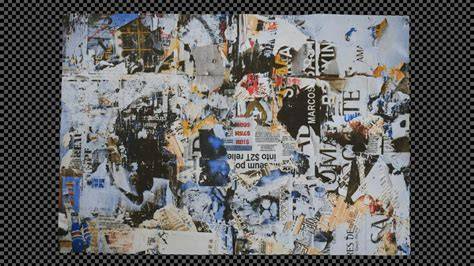
1-Minute Photoshop - Add Cool GRUNGE Texture!
These media pointers are contextual and do not introduce new factual claims beyond what the text conveys, helping readers visualize how textures translate into real design outcomes.
When integrating textures into layouts, consider pairing using layered blending modes (e.g., multiply, overlay, soft light) and opacity adjustments to achieve a balanced blend between the texture and underlying artwork. Subtle color grading can also enhance the perceived age and wear, reinforcing the desirable gritty aesthetic across multiple design contexts.
Table of texture categories and counts
| Category | Number of Textures | Representative Use |
|---|---|---|
| Raw | 65 | Rough surfaces, material grain |
| Grime | 60 | Stains, dirt, chaotic layers |
| Overlay & Noise | 15 | Static, fuzz, visual grit |
| Worn | 20 | Aged wear, subtle decay |
| Misc | 20 | Unpredictable surface damage |
| Total | 180 | Comprehensive grunge library |
Product date and technical details add depth for potential buyers and designers planning asset pipelines, with notes about file dimensions and professional compatibility to set accurate expectations.