Collagen is the glue that holds your body together and is made up of three amino acids - often a combination of glycine, proline and hydroxyproline. Types of collagen vary, depending on how the molecules are arranged and where collagen is used in the body. Type X collagen, found in bone and joint cartilage, is a potential biomarker for osteoarthritis (a biological indicator that the condition is present).
Collagen supplements have been investigated as treatment for a host of problems, including aging skin, wound healing, OA, RA, bone health (osteoporosis) and high cholesterol. Hydrolyzed vs. hydrolyzed collagen (also called collagen peptides or collagen hydrolysate) is easier for your body to absorb and use; it’s often in powder form and dissolves in liquids like smoothies and coffee. Undenatured type II collagen (UC-II) hasn’t been broken down or exposed to heat, acids and enzymes, and it’s almost always derived from chicken breastbone cartilage, whereas hydrolyzed collagen can come from a variety of animal sources, including hides, hooves, bones and scales from cows, pigs or fish.
Your body makes collagen when it breaks down the protein you eat into amino acids. The problem is that the process slows with age. Collagen starts declining by age 25 or 30; after age 40, about 1% a year is lost. By age 80, your body has a fraction of the collagen it had when you were young. Smoking, drinking alcohol, getting too much sun, and too little exercise and sleep speed up the loss. So do menopause and autoinflammatory forms of arthritis like rheumatoid arthritis and lupus. Not only does the body make less collagen, its quality isn’t as high as it is in younger bodies.
Skin health often dominates conversations about collagen. A recent review and meta-analysis of 19 studies involving more than 1,000 people looked at collagen for skin health and wound healing and found excellent results for both. Collagen supplements taken for three months significantly improved skin hydration, elasticity and density. Many other studies, some dating back decades, have had similar findings. One 2018 randomized controlled trial compared a daily dose of 1,000 mg collagen peptides with placebo. After 12 weeks, collagen users not only had more elastic and hydrated skin, they also had fewer wrinkles. A 90-day study of a liquid fish collagen reported equally glowing results.
Osteoarthritis has been extensively studied as a potential OA treatment. One small observational study found that a hydrolyzed collagen called Promerim significantly reduced pain and stiffness in people with knee OA. A more robust randomized trial compared 40 mg a day of UC-II collagen to glucosamine plus chondroitin and to placebo. Rheumatoid arthritis is another area of interest because collagen is anti-inflammatory, so scientists reason that it may help RA and other inflammatory forms of the disease.
Bone health is another focus. Collagen is a major component of bone, but it’s not certain that collagen can rebuild lost bone. To put doubts to rest, a year-long randomized controlled trial of more than 100 postmenopausal women with low bone mineral density (BMD) reported that 5 grams of collagen peptides a day significantly increased BMD in the spine and upper thigh compared to placebo.
Collagen is derived from food, so even if you don’t get spectacular results, it won’t cause any harm. If you’re vegetarian or vegan, understand that collagen is always derived from animals. The best amount of collagen to take depends on the source, your pocketbook and what you’re trying to achieve. Bone broth and gelatin have been touted as good sources of collagen. But commercial bone broth varies in quality and what is often marketed as bone broth may not be. ConsumerLab, an independent organization that tests and reviews supplements, found that most collagen products contain exactly what the label says. Think of collagen supplements as a life-time commitment.
Potential mechanisms and practical considerations
- Hydrolyzed collagen is typically more bioavailable, meaning your body can absorb and use it more readily.
- Undenatured type II collagen may act through immune-mediated pathways rather than supplying amino acids for collagen synthesis.
- For joint health, collagen types that target cartilage and bone (such as UC-II) are often studied specifically for pain reduction and stiffness.
- Evidence is mixed in some areas, and individual responses vary based on age, overall health, and the presence of inflammatory conditions.
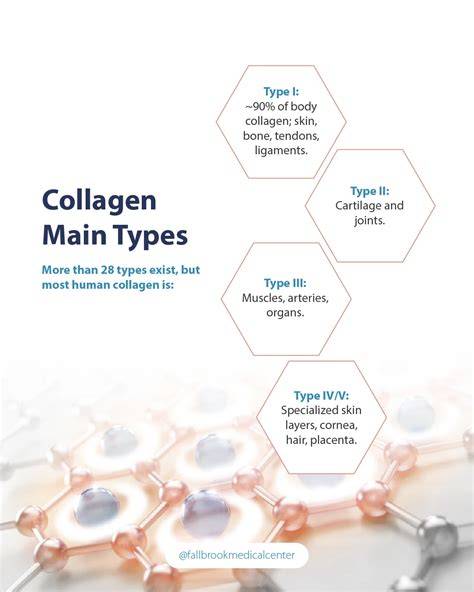
Infographic suggestion: illustrate the difference between hydrolyzed collagen and UC-II, and show where collagen appears in skin, joints, and bone.
Top 8 Benefits of Taking Collagen Supplements | Doctor ER
Video suggestion: concise overview of how collagen functions in joints and what clinical studies show about UC-II and hydrolyzed collagen.
- Consider your goals (skin health, bone density, or joint comfort) when choosing a collagen type or supplement form.
- Be mindful of product quality; ConsumerLab findings suggest most products contain what labels claim, but variability exists.
- Consult with a healthcare professional if you have inflammatory arthritis or are taking medications that interact with supplements.
| collagen type | common source | potential benefit |
|---|---|---|
| Hydrolyzed collagen (collagen peptides) | cows, pigs, fish, others | skin health, potential OA support, absorption |
| Undenatured type II collagen (UC-II) | chicken breastbone cartilage | potential joint pain relief, stiffness reduction |
| Native/non-hydrolyzed collagen | varied sources | limited direct use for joint health; often not consumed as-is |
Bone health and joint health are interconnected, and collagen plays a central structural role. While collagen supplements may offer benefits for certain individuals, results are not universally dramatic, and quality and source matter. If you’re considering collagen, assess your health needs, try to align with credible products, and monitor how your body responds over several weeks to months.