AI: The Somnium Files is a 2019 graphic adventure/visual novel hybrid that follows detective Kaname Date as he investigates a string of serial killings by entering suspects’ memories to extract information. Set in near-future Tokyo, the game blends first-person visual novel segments with third-person Somnium explorations, all guided by Uchikoshi’s signature storytelling sensibilities.
Premise and core concept
Date operates within the Advanced Brain Investigation Squad (ABIS), aided by an artificial intelligence housed in his cybernetic left eye named Aiba. The duo’s investigations extend beyond crime scenes into the mindscapes of individuals through the Psync Machine, a device that unlocks hidden truths by traversing dreams-Somnium. Time is a constant constraint in Somnium sequences: six minutes per session, with time shaved as players interact with objects and solve puzzles. The Psyncs anchor the narrative, revealing psychological aspects of characters and weaving a sprawling web of connections across multiple routes.
Gameplay structure and mechanics
Gameplay alternates between two main modes: first-person visual novel-style investigations and third-person Somnium exploration. In the investigation segments, players control Date from a first-person perspective, gathering clues, questioning non-player characters, and examining environmental details. Aiba augments Date’s perception, providing enhanced vision modes and access to databases, while also participating as the avatar inside Somnium sequences.
Somnium puzzles are the standout mechanical centerpiece. Within a subject’s dream, players manipulate dream world objects and choose actions to remove Mental Locks. Each action consumes time, requiring strategic decisions under a ticking clock. Timies-shortcuts that shorten or extend time-can alter outcomes, and players can restart Psynchs at unlocked checkpoints up to three times to correct missteps. The dream sequences shift the perspective from Date’s point of view to Aiba’s, creating a dynamic interplay between investigation and puzzle-solving modalities.
The game’s design emphasizes branching narratives. The story unfolds across multiple routes, with choices in Somnium sequences unlocking different pathways and endings. A Flowchart helps players track the relationships between routes, while the option to skip previously seen dialogue accelerates progress. This branching structure is a core feature, reflecting Uchikoshi’s penchant for intricate, interlocking plotlines where early revelations echo later developments.
Story and character dynamics
AI: The Somnium Files centers on a dark, character-driven mystery. The cast includes Date, Aiba, Mizuki (Date’s distant young ally), Iris (Internet idol), Moma (a reformist yakuza leader), Pewter (scientist), Mama (information broker), and Boss (ABIS leader). Each route deepens the player’s understanding of these characters, revealing backstories, motivations, and evolving relationships. The narrative blends humor with horror, balancing grisly subject matter with moments of warmth and humanity. The central themes-eyes, identity, and different expressions of love-are woven into the dialogue, character interactions, and even the game’s title (AI pronounced as “eye” and as “ai” the Japanese word for love).
The plot unfolds nonlinearly, with twists and revelations that connect disparate routes. The Somnium segments illuminate psychological truth through dream logic, often reframing earlier events in light of new evidence. The storytelling cadence toggles between intimate character moments and large, high-stakes discoveries, keeping players engaged across diverse emotional tonal shifts. While some critics note occasional tonal whiplash or pacing issues, the overall narrative strength lies in its memorable ensemble, its inventive dream puzzles, and its capacity to pull together disparate threads into a cohesive, sometimes devastating, whole.
Visuals, audio, and presentation
Visually, AI: The Somnium Files delivers expressive character models and vivid dreamscapes, with strong animation during dialogue and action moments. The art direction supports Uchikoshi’s surreal and intricate storytelling, while the UI remains clean and accessible across platforms. The sound design-voice acting, music by Keisuke Ito, and realistic sound effects-adds emotional texture to both investigation scenes and Somnium sequences. The bilingual presentation (English and Japanese audio options) broadens accessibility and allows players to experience the performances as intended by the creators or through localization.
Still, some players note technical quirks and occasional lag in loading times, particularly on certain platforms. The game’s ambition-merging a deep detective narrative with elaborate dream puzzles-means it sometimes stretches its systems, but the payoff is a distinctive, immersive audiovisual experience that complements the story’s mood and pacing.
Reception, themes, and legacy
Critics generally praised the game for its inventive premise, strong character roster, and the way Somnium sequences expand the mystery-solving toolkit. Praise often targets the strong writing, the clever integration of puzzle mechanics with narrative moments, and Uchikoshi’s ability to maintain suspense across multiple routes. Some reviewers, however, criticized tonal shifts, occasional repetition of “story so far,” and pacing challenges inherent to long branching narratives. The game’s structure invites multiple playthroughs to uncover all endings and to see how different choices reshape the mystery’s resolution.
AI: The Somnium Files sits within Kotaro Uchikoshi’s broader oeuvre, sharing DNA with the Zero Escape series in its emphasis on puzzles, branching storytelling, and mind-bending ideas. Its dedicated exploration mechanic (Somnium) and the interplay between Date and Aiba illustrate Uchikoshi’s push to innovate within the visual novel genre, expanding the audience for narrative adventure games while preserving the suspenseful, mystery-driven core that fans expect.
Expansion, sequels, and continuation
A follow-up, AI: The Somnium Files - Nirvana Initiative, released in 2022, expands the universe with new cases, characters, and thematic explorations while retaining the core Somnium mechanic and investigative approach. The series also includes announcements and ongoing discussions about future installments, underscoring its lasting impact on fans of detective fiction and speculative narratives in video games. The continued development of the world-along with further experiments in merging visual novel storytelling with interactive dream puzzles-signals Uchikoshi’s enduring influence on the genre.
Кey takeaways for players
- Unique blend of genres: a detective mystery that fuses visual novel pacing with dream-based puzzle-solving.
- Complex branching: multiple routes and endings reward careful exploration and repeated playthroughs.
- Character-driven drama: a memorable cast whose relationships and secrets propel the narrative forward.
- Rich presentation: strong voice acting, art direction, and a moody, sci-fi atmosphere.
- Challenging Somnium puzzles: time pressure, trial-and-error elements, and the intrigue of uncovering hidden truths.
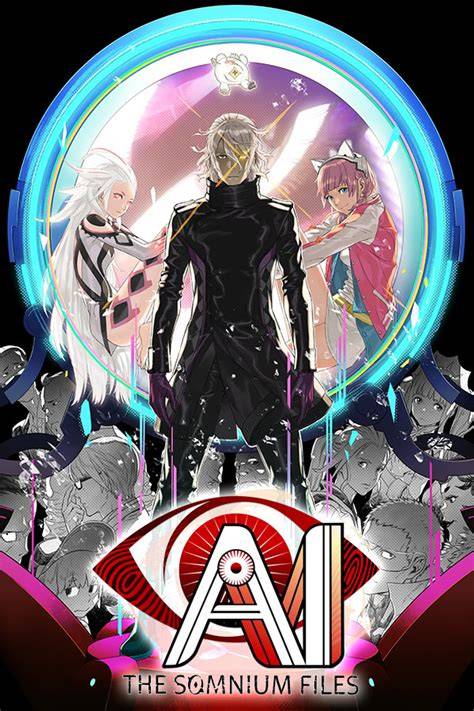
AI: The Somnium Files - An UNDERRATED Gem?!?! | Spoiler-Free Review
In short, AI: The Somnium Files stands as a bold, emotionally resonant detective experience that blends inventive dream exploration with a gripping, multi-route mystery. Its ambition, humor, and heart make it a standout entry in the contemporary visual novel landscape, appealing to fans of intricate plotting, character drama, and speculative storytelling.