Blue sapphire color grading is a complex process that evaluates the stone's hue, tone, and saturation to determine its quality and value. Unlike diamonds with their standardized 4 C’s grading system, sapphire color grading varies somewhat between gemological laboratories. Professional gemologists examine sapphires under controlled lighting conditions to determine their primary and secondary colors, the evenness of color distribution, the presence of color zoning, and the overall visual appeal of the stone.
Generally, sapphires that command the highest prices per carat have strong, pure primary colors with minimal secondary colors, medium to medium-dark tones (not too light or too dark), strong to vivid saturation, and even color distribution without visible color zoning. No unwanted color-changing behavior in different lighting is preferred. Blue sapphires specifically are evaluated for the purity of their blue color, with the most valuable stones showing a strong blue to slightly violetish-blue hue, medium-dark tone, and vivid saturation.
Hue, Tone, and Saturation
Hue refers to the actual color of a sapphire, whether it's a singular, primary color, or multiple colors present within the stone. For example, it is possible to have sapphires that are greenish-blue, violet-blue, or violet-pink. When describing a sapphire, the secondary color is listed first, and the primary color is listed second. In the greenish-blue example, blue is the primary color, and greenish is the secondary color - meaning it's mostly blue with a greenish tint.
Tone refers to lightness or darkness within a sapphire. While two sapphires may have the same hue, they can have differing tones - for example, one sapphire may be a very light blue, and another may be a deep blue. Both are blue, but the difference between the two is their tone.
Saturation refers to the intensity of a sapphire's color. Sapphires with the highest saturations feature a pure color - these are called "vivid" stones. The other saturation grades are strong, medium, fair, and weak.
Blue Sapphires and Fancy Sapphires
Blue sapphires are the most well-known, but sapphire comes in a wide range of colors and quality variations. In general, the more intense and uniform the color, the more valuable the stone. Sapphires that are not blue are known as fancy sapphires and may be pink, orange, yellow, green, purple, violet, or others. The fancy sapphire colors are pink, orange, yellow, green, purple, and violet, among others.
Blue sapphires display color with the greatest influence on value, with a preference for strong to vivid color saturation. The most valued blue sapphires are velvety blue to violetish blue, in medium to medium-dark tones. Sapphires with these qualities command the highest prices per carat, while less valuable blue sapphires may be grayish, too light, or too dark. Madagascar is a relative newcomer as a major sapphire source, but its stones can have an intense blue color that rivals the finest from traditional sources.
Specific Fancy Colors
Padparadscha Sapphire is an extremely rare and collectible variety that is a mix of pink and orange. Such gems typically have a high value-much higher than many other types of fancy sapphires. Their color can be hard to describe; some call it salmon or sunset. Padparadscha sapphires should range from light to medium pinkish orange to orange-pink.
Pink and Purple Sapphires Pink sapphires range from light red (pink) to light purple with weak to intense color saturation. Purple sapphires always have purple as the dominant color, ranging from medium to dark reddish purple to violetish purple with weak to vivid color saturation. The major fancy sapphire color categories are padparadscha, pink and purple, orange and yellow, green, and colorless and black.
Yellow to Orange Sapphires Yellow sapphires range from yellow to orangy yellow and in light to dark tones, with the finest being yellow to orangy yellow with vivid saturation. Orange sapphires range from yellowish orange to reddish orange, with the finest being strong, pure orange to red-orange with medium tone and vivid saturation.
Green Sapphires Often commercial-grade sapphires may show greenish blue color or strong greenish blue. Uniformly green sapphires that are saturated in color are rare and highly prized by collectors. The color in green sapphires results from a mix of yellow and blue sapphire.
Color Change Sapphires are corundum’s chameleons - stones that change color under different lighting. Under daylight, blue-to-violet is typical; under incandescent light, violetish purple to reddish purple is common. Some rare color-change sapphires shift from green in daylight to reddish brown in incandescent light. The strength of color change is described as weak, moderate, or strong and strongly impacts value.
Clarity and Inclusions
Blue sapphires typically have some inclusions but generally better clarity than rubies. Extremely high clarity sapphires are rare and valuable. Inclusions include long, thin mineral needles known as silk when they occur as rutile. Silk can contribute to asterism in star sapphires, where a star effect results from reflections within the stone. While inclusions can reduce value by affecting durability, in some Kashmir sapphires tiny inclusions contribute to a velvety appearance that enhances light scattering and perceived color richness.
Star Sapphires and Star Rubies
Star sapphires and star rubies belong to the phenomenal corundum category. The star effect, or asterism, is caused by rutile and sometimes hematite inclusions oriented in specific directions. Stars are typically 2, 3, or 6-ray, sometimes up to 12-ray, and the best stars are centered, uniform in strength, and display smooth movement as the stone is rocked. The color of star corundum can be yellow, green, blue, or other hues; however, red star corundum is not a sapphire, it is a star ruby. The most prized colors mirror those valued in non-phenomenal corundum: red and blue.
Cut, Shape, and Color Zoning
The shape of a rough sapphire influences the finished stone’s shape and size. The most common crystal form is a barrel- or spindle-shaped hexagonal pyramid. Cutters orient the gem to maximize color and maintain weight, considering color zoning, pleochroism, and lightness/darkness. Color zoning-areas of different colors-can be managed by orienting color concentration to offer the best visible color in the cut stone. Pleochroism describes different body colors in different viewing directions; blue sapphires often show greenish blue and violetish blue pleochroism, with violetish blue preferred for jewelry when cut accordingly.
Star sapphires require cabochon cutting to display asterism. The dome height should be balanced to focus the star sharply, while maintaining symmetry and ease of mounting. A dome cut too high or too shallow can reduce the star’s visual appeal or mounting practicality. Black star sapphires, prone to parallel fractures, are cut flatter to reduce damage risk.
Carat Weight and Sourcing
Blue sapphires can range from a few points to hundreds of carats, with large stones being rarer but more available than large rubies. Most commercial-quality blue sapphires weigh less than 5.00 carats, while fine-quality stones in larger sizes remain rare.
Market and Pricing Dynamics
Color, saturation, tone, and distribution drive value. Madagascar has emerged as a major source offering intense blues that rival traditional sources. Padparadscha sapphires and other fancy colors command premium, but color consistency across a source varies, making each stone unique. Price can be influenced by color zoning, pleochroism orientation, clarity, cut quality, and the presence or absence of inclusions that affect durability and transparency.
Practical Insights for Collectors and Buyers
When evaluating a blue sapphire, preferences for particular hue, undertone, and intensity guide search and selection. The classic cornflower blue, velvety blue, and violetish blue hues are highly sought after. Sapphires should be considered both for their beauty and their durability, with a Mohs hardness of 9 out of 10 making them suitable for everyday wear. Whether natural or lab-made, sapphires can be an excellent choice for engagement rings and fine jewelry, with a history of symbolism around faith, loyalty, wisdom, and creativity.
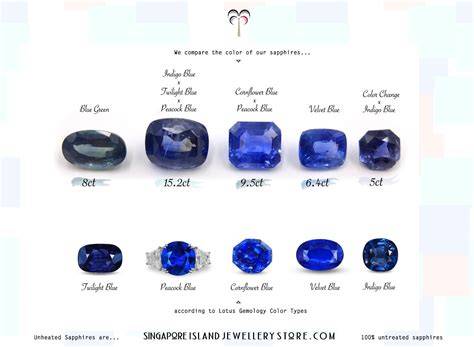
Whats a Royal Blue Sapphire-colors definition in details
In practice, a well-cut blue sapphire with strong to vivid saturation, minimal color zoning, and a blue-to-violet hue range tends to be the most valuable on the market. The interplay of hue, tone, and saturation, along with clarity and cutting precision, determines the final price per carat and the overall appeal of the gemstone.
| Category | Hue Descriptor | Tone | Saturation | Notes | |
|---|---|---|---|---|---|
| Blue Sapphires | Blue to violetish blue | Medium to medium-dark | Vivid to strong | High when even, pure, and strong | Color zoning lowers value |
| Padparadscha | Pink-orange to orange-pink | Light to medium | High | Very high | Extremely rare |
| Pink Sapphires | Pink to light purple | Light to medium | Weak to vivid | Moderate to high | Color saturation key |
| Purple Sapphires | Purple (dominant) | Medium to dark | Weak to vivid | Varies | Color intensity drives value |
Color grading remains a nuanced field where laboratories may apply slightly different scales, but the core principles of hue, tone, and saturation, along with color distribution and pleochroism, consistently guide appraisal and pricing.