By measuring the paint thickness, the new Elcometer 311 identifies any hidden rework on a vehicle, which is not often found in public or commercial condition reports. The new Elcometer 311 Automotive Paint Meter is more advanced and easier to use than ever before. The Elcometer Index Value provides inspectors with a single number which illustrates the vehicle’s overall paint condition and establishes if any previous paint work has been undertaken.
This quantifiable number determines the extent of any rework & the overall quality of the vehicle. Complete line of models for measuring Coating Thickness on Steel, Aluminum and other metals. All with USB data output and memory. 200D- 2 - 300 milsReplica Tape ReaderDigital spring micrometer measures and records peak to valley surface profile height using replica tape. Coating Thickness, Dew Point and Surface Profile MeasurementThickness Gauge for Uncured Powder CoatingMeasures uncured powder coatings using non-contact ultrasonic technology to automatically calculate and display a predicted cured thickness.
Scratch, solvent & water surfaces resistant colour display for protection against accidental damage Includes: gauge, 2 x AA batteries, steel & aluminum check pieces, calibration check foil, wrist strap, impact resistant carry case, calibration test certificate, operating instructions, 2 year warranty extension card. ElcoMaster®custom report creation and vehicle template design is not recommended for those without basic programming skills. Example reports are easy to use but generic. Users are encouraged to download the software and App free of charge prior to instrument purchase and use. Visit The Elcometer Channel on YouTube for tutorials. The Elcometer SDK is available free of charge to App developers.
By measuring the paint thickness, the new Elcometer 311 identifies any hidden rework on a vehicle, which is not often found in public or commercial condition reports. The new Elcometer 311 Automotive Paint Meter is more advanced and easier to use than ever before. The Elcometer Index Value provides inspectors with a single number which illustrates the vehicle’s overall paint condition and establishes if any previous paint work has been undertaken. This quantifiable number determines the extent of any rework & the overall quality of the vehicle.
Measuring Principles and Options
Three Paint Thickness Measurement Principles: Magnetic, Eddy Current, and Ultrasonic. Magnetic Principle for Steel: For steel panels, magnetic gauges provide readings by measuring the force required to pull a magnet off the coated surface. Eddy Current Principle for Aluminum: For aluminum and other non-ferrous metals, an eddy current technique is used with probes generating and detecting opposing electromagnetic fields. Ultrasonic Principle for Plastic: For non-metal substrates such as plastic and fiberglass, ultrasonic probes send pulses through the coating and interpret reflections to determine thickness.
PosiTest DFT, PosiTector 6000, and PosiTector 200 represent common instrument options for automotive coating thickness measurement. The PosiTest DFT family covers ferrous and non-ferrous surfaces with a typical accuracy of ±3% and resolutions down to 0.1 mil. The PosiTector 6000 series offers higher accuracy and memory, with probes suited for steel, aluminum, or both. The PosiTector 200 line measures total thickness on non-metals and, in some configurations, individual layers in multi-layer systems.
Elcometer 311’s approach focuses on a fast, repeatable measurement of overall paint thickness, enabling quick assessment of whether repainting or repairs have occurred. It is pre-calibrated on steel and aluminum panels, and uses a range of probe modules to fit various vehicle body configurations. The unit includes built-in memory and data export options via USB or Bluetooth, along with audible and visual alarms to indicate measurement quality.
Practical Considerations for Automotive Detailing
Why Measure Paint Thickness and Clear Coats? To protect consumer value and profitability, equipment must improve either efficiency or effectiveness. Quick readings help determine remaining paint thickness, but the primary benefit is increased effectiveness in identifying areas of potential repainting or excessive clear coat removal during detailing.
Most factory paint jobs range from 4-7 mils (100-180 microns). Thinner readings indicate that the clear coat is almost entirely removed or primer is revealing through in single-stage systems. Thicker readings can indicate repainting, which complicates decisions about buffing and the remaining topcoat. In such cases, further buffing may damage the underlying layers, necessitating alternative methods or more conservative polishing approaches.
When detailing, after determining the paint system used on the vehicle, the actual thickness must be measured. Visual inspection alone cannot reliably reveal clear coat thickness, especially with higher-resolution clear coats or nanotechnology-based finishes. Over-removal of topcoat (UV blockers) risks UV damage to underlying layers, potentially leading to fading or delamination and costly repairs.
Manufacturing Materials Used in Automobiles have evolved: steel remains common for cost and strength, aluminum is used for weight reduction, and plastic/composite bumpers and fascias enable design innovation. This diversity underscores the need for coating thickness gauges that can handle ferrous, non-ferrous, and non-metal substrates across the vehicle.
Operational Guidelines and Calibration
To measure paint thickness on automobiles, magnetic and eddy current gauges require flat contact with the surface, steady holding, and controlled probe lift between measurements. Zero-checks on uncoated parts and calibration checks with known thickness shims ensure accuracy. Ultrasonic gauges require proper couplant application and periodic zeroing in response to temperature changes and probe wear.
Reliable measurement practices include documenting location-specific readings, using consistent measurement points, and understanding that some panels may have been repainted or repaired. A typical reading range helps differentiate factory coatings from aftermarket work and supports decisions on whether sanding and buffing should proceed or if panel replacement is warranted.
Table: Selected Coating Thickness Gauges (Key Features)
| Model | Substrate | Principle | Accuracy | Memory/Output |
|---|---|---|---|---|
| Elcometer 311 Automotive Paint Meter | Steel/Aluminum | Magnetic/Electronic | Typically ±1% to 3% | USB/Bluetooth, 10,000 data points |
| PosiTest DFT | Ferrous/Non-ferrous | Magnetic | ±3%, 0.1 mil resolution | Memory, printing |
| PosiTector 6000 | Metal panels | Magnetic/Eddy Current | ±1%, 0.05 mil resolution | Extensive memory, data export |
| PosiTector 200 | Non-metals | Ultrasonic | ±3%, 0.1 mil resolution | Multi-layer capability |
What is Automotive Detailing?
Detailing as it relates to paint thickness measurement is the systematic cleaning, rejuvenating, and protecting of the exterior painted surfaces of a vehicle. The primary purpose is to retain the appearance of newer vehicles or to revitalize older neglected vehicles. Cleaning removes dirt to enable full inspection, rejuvenation returns a vehicle to showroom condition, and protection maintains the look through waxing and ongoing maintenance.
Polishing may be used before waxing to address surface damage such as fine scratches, swirl marks, oxidation, stains, overspray, tar, tree sap, acid rain, or water spots. Substantial damage may require several sanding and buffing steps, with careful consideration of the paint system in use. Repainting detection and measurement are critical to determining whether further cosmetic work is viable without compromising original coatings.
Why Measurement Matters in Manufacturing Materials
Manufacturers use steel, aluminum, plastic, and composite materials in varied configurations. Panels may be steel, aluminum, or plastic, and gauges must accommodate these substrates. This diversity makes multi-principle instruments advantageous for automotive contexts, particularly those offering automatic switching between magnetic, eddy current, and ultrasonic modes.
From a practical standpoint, the Elcometer 311 stands out as a fast automotive paint gauge for instant thickness measurements and overall paint condition indication. It complements broader industry options such as Elcometer 456 and Elcometer 500, which address broader coating thickness needs across ferrous and non-ferrous substrates.
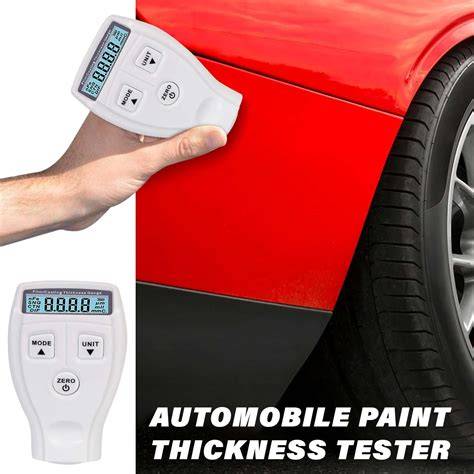
In summary, a digital paint thickness gauge is essential for objective assessment of automotive paint layers, enabling inspectors to detect hidden rework, guide detailing decisions, and protect vehicle value through data-driven care.