Figma, the design and product development platform founded in 2012, evolved from a browser-based design tool into an AI-powered collaboration platform that enables teams to move from idea to shipped product. The company announced its initial public offering (IPO) pricing at $33.00 per share for 36,937,080 shares of Class A common stock, with NYSE trading under the ticker FIG and an expected close date in early August 2025, subject to customary closing conditions. The offering consisted of Class A shares from Figma and from certain existing stockholders, with underwriters granted a 30-day option to purchase additional shares to cover over-allotments.
Figma’s roadshow and public listing marked a pivotal transition after years of rapid growth and strategic investments, including the 2025 acquisition of Israeli AI startup Weavy for over $200 million and the establishment of a new R&D center in Tel Aviv. The company has repeatedly framed its mission around enabling real-time collaboration, with features like simultaneous editing, prototype mode, and capabilities such as FigJam for whiteboarding and the expansion into sites publishing via Figma Sites announced in May 2025.
From a historical perspective, Figma began as a browser-based UI design tool designed to democratize creativity and bring the collaborative capabilities of Google Docs to design. Early development emphasized real-time collaboration, with goals to allow multiple users to edit the same design concurrently and to empower designers to test UX through interactive flows and link frames for navigation. The platform’s evolution included the introduction of WebGL-driven GPU access from the browser and a desktop suite that supported offline work, ensuring continuity even without a network connection.
IPO details highlighted by the underwriting banks outlined a pricing range and offering structure, with Morgan Stanley, Goldman Sachs, Allen & Company, and J.P. Morgan acting as joint lead book-running managers, and BofA Securities, Wells Fargo Securities, and RBC Capital Markets serving as book-running managers. The press materials clarified that Figma would not receive proceeds from the sale of shares by selling stockholders, and that the prospectus would govern the sale and listing process.
Market reception to Figma’s IPO was strong, with subsequent coverage noting the company’s rapid share-price appreciation after listing and the broader context of Mega cap tech competition in the design software space. Analysts at major firms provided favorable commentary after earnings releases and strategic updates, with price targets adjusting in response to quarterly results and the company’s expanding AI capabilities. At the same time, the stock price demonstrated volatility typical of high-growth tech IPOs, trading in a wide range through 2025 and into 2026 as investors weighed the company’s path to profitability against ongoing investments in AI, partnerships, and acquisitions.
Beyond the IPO, Figma’s strategic trajectory has been defined by an emphasis on AI-powered design workflows, tighter integration between design and code, and the drive to stay competitive against legacy incumbents and emerging AI-enabled competitors. Notably, the company has pursued integrations with leading AI models and tools, including collaborations with OpenAI and Anthropic in 2026, aiming to streamline design-to-code workflows and accelerate iteration cycles. In parallel, Figma’s hybrid strategy-combining browser-based collaboration with robust desktop capabilities-continues to support both online and offline design workflows, addressing a broad spectrum of user needs.
In summary, Figma’s public debut signaled a milestone in its journey from a browser-based collaboration tool to a comprehensive, AI-augmented platform for digital product development. The IPO pricing and listing under the FIG ticker established a capital-raising milestone, while the post-IPO period has focused on execution-scaling product capabilities, expanding AI integrations, and pursuing strategic acquisitions to sustain growth and maintain competitive differentiation in a fast-evolving design tech landscape.
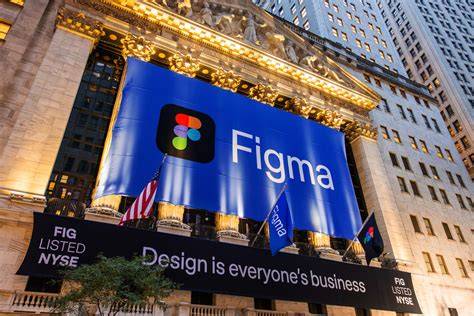
Images accompanying the IPO narrative can help illustrate key moments: a timeline of Figma’s product evolution, a map of its global R&D footprint, and a schematic of the collaboration features that differentiate Figma from traditional design tools.
Figma filed for their IPO (and revealed EVERYTHING)
| Metric | 2025 IPO | 2026 Milestones |
|---|---|---|
| IPO price per share | $33.00 | Not applicable |
| Shares offered (Class A) | 12,472,657 by Figma | Additional 5,540,561 over-allotment option |
| Acquisitions | Weavy for >$200M | Ongoing AI integrations and partnerships |
| Key product milestones | Figma Sites in Beta (May 2025) | Expanded AI tooling and Dev Mode enhancements |
The author of this coverage, Jeremy Bowman, has been a Motley Fool stock market analyst since 2011, focusing on technology, consumer goods, and macro trends. His profile notes that he has positions in Figma, and that Fool recommendations include Adobe, Figma, and Palantir Technologies, with options strategies tied to Adobe. These disclosures provide context for the perspectives presented in this article, reflecting industry norms around analyst affiliations and investment stances.