Shark reproduction is a remarkable and diverse process, featuring internal fertilization and several distinct strategies that reflect adaptation to different ecological niches. Depending on the species, sharks may lay eggs, give birth to live young, or hatch embryos inside the mother’s body, sometimes with fascinating maneuvers like intra-uterine cannibalism or egg-eating. Internal fertilisation ensures the embryos develop with protection and enrichment, setting sharks apart from many other fish.
Oviparity: Egg-Laying Sharks
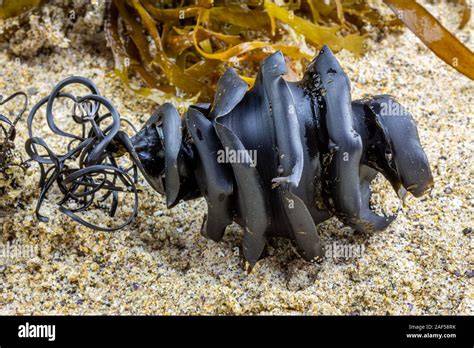
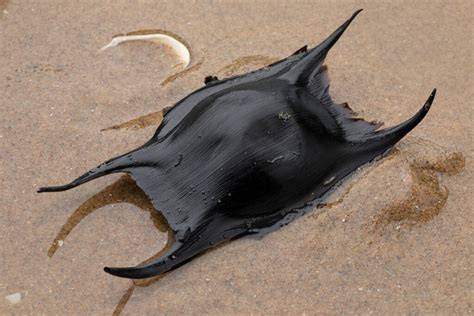
Oviparous reproduction involves laying eggs encased in a tough, leathery capsule often called a “mermaid’s purse.” The embryos develop inside these egg cases, which may be anchored to the seabed or structures in the environment by tendrils. Typically each egg case houses a single embryo, though some species can have multiple embryos per case. After internal fertilisation, the egg cases are left to develop with minimal parental care. The nourishment available to the developing pups is mainly the yolk sac, and hatchlings emerge ready to fend for themselves.
Oviparous sharks include species such as catsharks and zebra sharks. In some bottom-dwelling species, the eggs may hatch after several months, and the pups are relatively small at birth due to limited yolk reserves.
Viviparity: Live Birth with Placental Nourishment
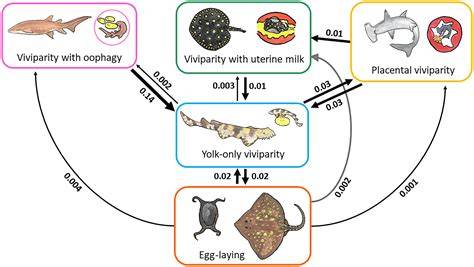
Viviparous sharks give birth to fully developed pups, similar to mammals, with nutrients supplied directly from the mother through a placental connection. This placental viviparity includes an umbilical cord and a temporary belly button as the pups grow within the womb. The gestation period varies widely by species and can be lengthy, with many litters ranging from a few to several dozen pups.
There are two main variants of viviparity: placental viviparity, where a true placenta forms and enables sustained exchange of nutrients and wastes, and aplacental viviparity (often called lecithotrophy or yolk-sac placental analogues), where nourishment comes primarily from yolk and, in some cases, fluids produced by the mother. In placental viviparity, the pup’s development closely mirrors that of mammals, while in aplacental viviparity the embryo relies more on yolk reserves and other internal sources until birth.
Ovoviviparity: Eggs Hatch Inside the Mother
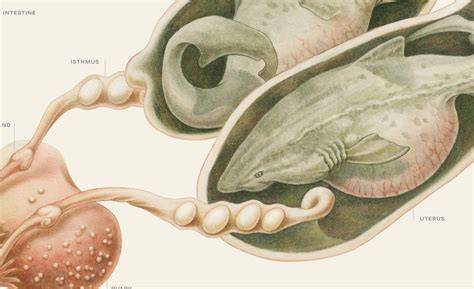
Ovoviviparous reproduction features eggs that hatch inside the mother’s uterus, with no placental connection to the mother. The developing pups continue to grow by consuming the yolk within the egg, and in many species, embryos may also feed on unfertilized eggs and even their siblings in a behavior known as intra-uterine cannibalism or oophagy. This can result in small litters and dramatic competition among developing embryos.
Notable examples of ovoviviparous sharks include great white sharks and cookiecutter sharks. In some cases, a single litter may contain multiple pups that hatch at different times, with a few pups surviving to birth as the others are consumed or outpaced by their siblings.
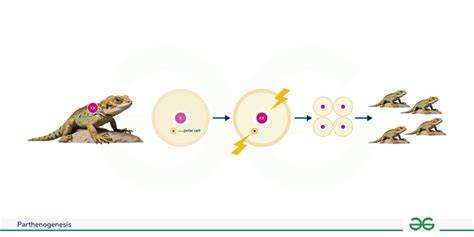
Asexual Reproduction: Parthenogenesis
A rare but documented mode of shark reproduction is parthenogenesis, where a female gives birth without any male fertilization. This can occur in captivity or under certain wild conditions where males are scarce. Offspring produced by parthenogenesis are always female in systems using XY sex determination, and this reproductive strategy can help populations persist in the short term, though it does not promote genetic diversity.
Internal Fertilisation: The Mating Process
Sharks rely on internal fertilisation, a key difference from many other fish species. Males possess claspers-extensions of the pelvic fins used to transfer sperm into the female’s cloaca during mating. Copulation often involves biting and thrashing as the male secures a position to insert the clasper. In many species, females bear skin markings or scars from mating as evidence of this struggle. After fertilisation, embryos develop in the mother’s body via one of the three main strategies described above, depending on the species and ecological context.
Shark reproduction is a slow process compared to many other animals. Lifespans, maturity ages, gestation periods, and litter sizes vary widely. Some species reach sexual maturity late and reproduce only every few years, investing substantial energy into fewer, well-developed offspring. These strategies contribute to the vulnerability of some shark populations to overfishing and habitat loss, underscoring the importance of conservation and research into their reproductive biology.
Special Cases and Notable Examples
Whale sharks are ovoviviparous, with a notable observation of a single pregnant female containing hundreds of embryos, illustrating the diversity within shark reproduction. Some groups, such as sandtiger sharks, exhibit intra-uterine cannibalism, where the first embryo to hatch may feed on its siblings and unfertilized eggs in the womb. In parthenogenetic cases, captive bonnethead and blacktip sharks have produced female offspring without male input, highlighting evolutionary pressures that can push toward virgin births in isolated or managed environments.
Shark reproduction also emphasizes the role of nursery grounds and protected environments. In many species, females lay or give birth in warm, shallow nursery areas with abundant food and relatively few predators. This strategy aims to maximize pup survival during the vulnerable early life stage, even though parental care is generally minimal or absent after birth.
Key Takeaways
- Sharks reproduce via four main strategies: oviparity (egg-laying), viviparity (live birth with placenta), ovoviviparity (eggs hatch inside the mother), and parthenogenesis (asexual birth).
- Internal fertilisation is standard in sharks, with males using claspers to transfer sperm during mating.
- Litter size, gestation period, and developmental strategies vary widely among species, influencing population dynamics and conservation needs.
Blacktip Reef sharks mating in lagoon at Misool Eco Resort